




The Palatability Paradox
French fries hold a special place in many hearts as a go-to comfort food, often associated with casual gatherings and relaxed evenings. Their intense flavor
profile, characterized by high levels of sugar, carbohydrates, sodium, and fat, is designed to be highly appealing. This 'hyper-palatable' nature can trigger the brain's reward centers, encouraging overconsumption. Experts like Siddhartha Singh highlight how this combination can lead to rapid blood sugar spikes and subsequent crashes, leaving one feeling hungry again shortly after eating. The way fries absorb oil during deep-frying means a significant amount of fat is directly consumed, contributing to their reputation as a less-than-ideal food choice when eaten without consideration for preparation or quantity. This engineered appeal often makes them a challenging food to moderate.
Nuances of Nutritional Impact
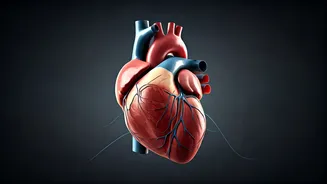
Contrary to a blanket condemnation, the health implications of French fries are not absolute. Senior Clinical Nutritionist Aditi Prasad Apte suggests that their nutritional impact is highly dependent on two critical factors: the method of preparation and the quantity consumed. While potatoes themselves are a good source of nutrients, the conventional deep-frying process, especially at high temperatures, can lead to the formation of compounds like acrylamide, which have been associated with potential health concerns. The high sodium content often found in fries can negatively affect kidney function and elevate blood pressure. Furthermore, the unhealthy fats introduced during frying can contribute to an increase in LDL, or 'bad' cholesterol, a known risk factor for cardiovascular issues. Therefore, viewing fries through a lens of moderation and mindful preparation is key to understanding their true health effects.
Gendered Health Effects
The way French fries affect an individual's health can also vary based on gender, influenced by hormonal differences. For women, frequent indulgence in fries might exacerbate insulin resistance, potentially worsening hormonal imbalances seen in conditions such as Polycystic Ovary Syndrome (PCOS). The hormonal fluctuations experienced during the premenstrual phase (PMS) can lead to decreased serotonin levels, a mood-regulating neurotransmitter, prompting cravings for high-carbohydrate foods like fries. While these foods might offer a temporary mood boost, the high salt content can unfortunately lead to increased bloating. In men, regular consumption of fries is more closely linked to the development of abdominal obesity, a significant risk factor for heart disease, highlighting a distinct physiological response to dietary patterns.
Healthier Preparation Methods
Making French fries a more health-conscious choice is entirely achievable with a few simple adjustments. Dr. Apte emphasizes that the deep-frying method is the primary culprit behind many health concerns. Opting for baking or air-frying significantly reduces the amount of added fat. Using minimal oil in these cooking methods still allows for a satisfyingly crispy texture without the excessive caloric and fat intake. Adhering to a moderate portion size, around 80-100 grams (which typically amounts to a small serving), is also crucial for managing intake. For an even healthier alternative, consider experimenting with roasted vegetables like carrots, zucchini, beetroot, or pumpkin, which can be cut into fry shapes and roasted, offering a nutritious and flavorful substitute that delivers a similar satisfying experience.