





Temple Reopening Details
Nestled high in the Chamoli district of Uttarakhand, at an elevation exceeding 3,500 meters, the Rudranath Temple is preparing to welcome devotees once
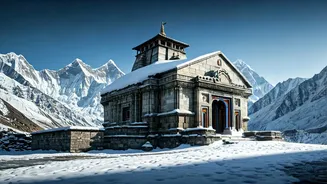
again. After its annual winter hibernation, caused by heavy snowfall that renders it inaccessible, the temple's gates are set to swing open on May 18. This significant event marks a crucial point in the region's pilgrimage calendar, particularly for the Char Dham and wider Himalayan spiritual circuits. The announcement of this auspicious date was traditionally made on Basant Panchami at the Gopinath Temple in Gopeshwar, which serves as the winter abode for Lord Rudranath. Preparations include the ceremonial procession of the sacred idol from Gopeshwar on May 17, with the main opening ceremony scheduled for 1:00 PM on May 18, following the idol's installation within the sanctum. This reopening is a beacon of hope and spiritual continuity for countless pilgrims.
Mythological Significance
The Rudranath Temple is deeply revered as it is dedicated to Lord Shiva and holds a prominent place in Hindu mythology. Legend has it that this very location is where the face of Lord Shiva manifested. It is the fourth temple in the esteemed Panch Kedar pilgrimage, a sacred circuit comprising five Shiva temples scattered across the Garhwal Himalayas. The other temples in this spiritual journey are Kedarnath, Tungnath, Madhyamaheshwar, and Kalpeshwar. This particular temple's narrative is intricately woven into the fabric of ancient beliefs, attracting those who seek divine connection and wish to understand the profound stories of Shiva's divine presence.
The Pandava Connection
The origins of the Rudranath Temple, along with the other Panch Kedar shrines, are deeply intertwined with the epic Mahabharata. According to ancient lore, the Pandavas, protagonists of the epic, sought to atone for the sins of fratricide and killing Brahmins committed during the great Kurukshetra war. They embarked on a quest to find Lord Shiva for his blessings and absolution. Lord Shiva, initially displeased and wishing to evade them, transformed himself into a bull and disappeared into the Garhwal region. The Pandavas pursued him, and as the bull’s body reappeared in five different parts, they established five temples at these sacred sites. The hump appeared at Kedarnath, the arms at Tungnath, the face at Rudranath, the navel and stomach at Madhyamaheshwar, and the hair at Kalpeshwar. The veneration of Shiva at these five locations ultimately freed the Pandavas from their heavy burden of sins.
The Pilgrim's Trek
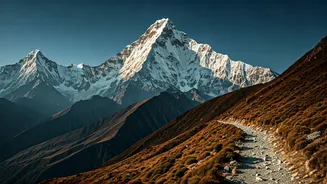
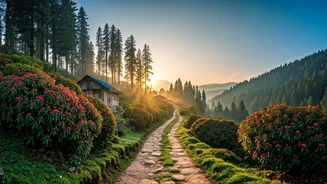
The journey to Rudranath Temple is not merely a physical one but a profound spiritual expedition. Devotees undertake a challenging trek that winds through dense forests, opens into lush alpine meadows, and navigates steep, rugged mountain trails. This arduous path is a testament to their devotion and adds to the spiritual richness of the pilgrimage. The trek itself becomes a meditative experience, testing the resolve and purity of heart of those who aspire to reach the divine sanctum. The spiritual rewards are considered immense for those who complete this demanding yet spiritually fulfilling journey, making it a highlight of the pilgrimage season in Uttarakhand.