






A Parent's Candid Revelation
Bollywood star Varun Dhawan recently offered a personal glimpse into a challenging period for his family, discussing his young daughter Lara's diagnosis
with Developmental Dysplasia of the Hip (DDH). This condition, which affects the hip joint's formation, significantly impacted the toddler's ability to walk and move freely. Dhawan recounted that the diagnosis occurred when Lara was approximately one and a half years old, highlighting the specific nature of DDH where the hip socket doesn't properly secure the thigh bone's head. He explained in detail that this instability can lead to one leg appearing shorter, resulting in an uneven gait. Fortunately, Lara's case did not necessitate surgery but involved a procedure to reposition the hip, followed by a crucial 2.5-month period in a spica cast. This extensive immobilization presented considerable challenges for both the child and her parents, involving anesthesia for the casting and the subsequent adjustment to life in the cast. Now that the cast has been removed, Lara is in the recovery phase. Dhawan's decision to share this intimate family matter stems from a strong desire to elevate public awareness among other parents, encouraging them to be vigilant observers of their children's development and to seek professional medical advice promptly if any concerning signs emerge.
Understanding Hip Dysplasia
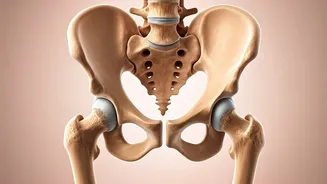
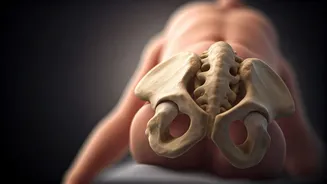
Developmental Dysplasia of the Hip (DDH) is a medical condition where the hip joint, designed as a 'ball and socket' mechanism, fails to develop correctly in infants and young children. The hip joint connects the thigh bone (femur) to the pelvis; specifically, the rounded upper part of the thigh bone, known as the femoral head, should fit snugly into a cup-shaped socket in the pelvis. In DDH, this socket is not deep enough, leading to an unstable joint where the femoral head can slip or even dislocate entirely. Research indicates that a family history of hip issues can increase the risk by approximately 30 percent. DDH can affect one or both hips and is observed more frequently in girls, firstborn children, families with a history of childhood hip problems, and babies born in the breech position. While some infants with a dislocated hip may not exhibit obvious external symptoms, vigilant parents should look for signs such as differing leg lengths, uneven skin creases on the thighs, reduced movement or flexibility on one side, and gait abnormalities like limping, walking on tiptoes, or a waddling walk.
Treatment and Early Detection
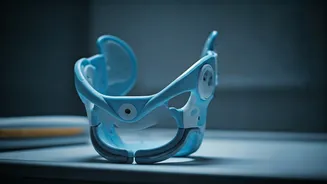
The successful management of Developmental Dysplasia of the Hip (DDH) is significantly enhanced by early detection, which greatly improves treatment outcomes. When diagnosed at birth, DDH can often be effectively corrected using specialized devices like a harness or brace that helps to properly position the hip joint, allowing it to develop correctly over time. However, if the condition is not identified at birth and the hip is not dislocated, it may go unnoticed until the child begins to walk. In these later-diagnosed cases, treatment can become more complex, and the predictability of the results may be less certain. Varun Dhawan's narrative underscores the importance of observing developmental milestones and seeking timely paediatric consultation, as early intervention is key to a better prognosis and minimizing potential long-term impacts on a child's mobility and well-being.