







Strategic Meal Planning
The cornerstone of successful meal prepping lies in meticulous planning. Begin by envisioning the dishes you'd like to enjoy throughout the week. Prioritize
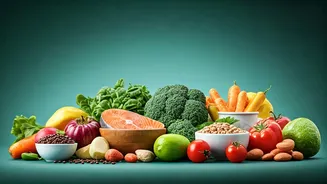
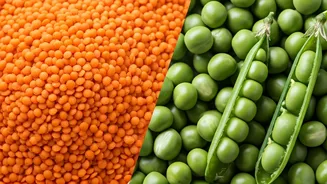
affordable and adaptable ingredients like rice, legumes, and produce that's in season. This approach not only curbs expenses but also significantly reduces food waste. Furthermore, actively review local grocery store advertisements for deals and promotions that can be incorporated into your culinary itinerary. Strategically aligning your meal choices with available sales ensures maximum value and flavor, setting a solid foundation for a cost-effective week of healthy eating. It’s about making your food budget work harder for you, ensuring every ingredient serves a purpose and contributes to balanced meals.
Smart Bulk Buying
Embracing the practice of purchasing items in larger quantities is a remarkably effective method for reducing your meal prepping expenditure. Staples such as grains, beans, and frozen vegetables often present a more economical choice when acquired in bulk. However, it is paramount to confirm that you possess adequate storage capacity at your residence before committing to wholesale purchases. This foresight prevents spoilage and ensures that you can fully leverage the benefits of your bulk acquisitions. By stocking up on non-perishables and items that can be frozen, you create a pantry ready for action, making future meal preparation quicker and more cost-efficient. This strategy fosters a sense of preparedness and significantly slashes the per-unit cost of your ingredients.
Invest in Reusables
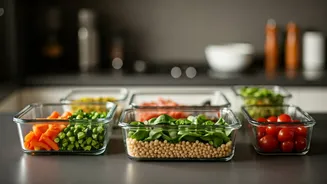
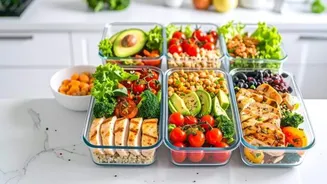
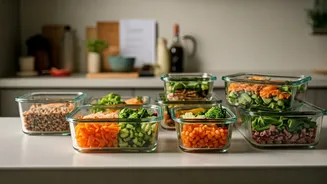
Making an initial investment in reusable food containers is a cost-effective decision that yields long-term benefits. These containers are instrumental in preserving the freshness of your prepared meals and aid in maintaining precise portion control. Opt for containers that are designed for stacking, as they efficiently maximize space within your refrigerator or freezer. Many retailers offer reductions on bulk purchases of storage solutions, so remain vigilant for such advantageous offers. Utilizing durable, reusable containers not only contributes to environmental sustainability by minimizing single-use plastic waste but also provides a hygienic and organized way to store your pre-portioned meals, making grab-and-go lunches a breeze.
Batch Cooking Efficiency
The practice of cooking meals in large quantities offers dual advantages of considerable time savings and financial prudence. Dedicate time to prepare substantial amounts of dishes like soups, stews, or casseroles, which can then be conveniently divided into individual portions for consumption over the course of the week. This approach not only streamlines your cooking efforts during hectic weekdays but also capitalizes on the cost efficiencies inherent in bulk preparation. By dedicating a few hours to cooking once or twice a week, you create a readily available supply of nutritious meals, freeing up valuable time and energy for other pursuits. This method transforms cooking from a daily chore into a strategic weekend activity.
Embrace Simplicity
Opting for recipes that feature a limited number of ingredients proves to be not only straightforward to prepare but also remarkably gentle on your budget. Concentrate on dishes that highlight the inherent flavors of fresh produce, while being judicious with the use of costly spices or condiments. Stir-fries brimming with seasonal vegetables or pasta accompanied by a homemade sauce represent excellent budget-conscious choices that do not compromise on taste or satisfaction. Simple preparations often require less cooking time and fewer specialized ingredients, making them ideal for beginners and busy individuals alike. Focusing on whole foods and basic seasonings ensures delicious outcomes that are both healthy and economical.