








The Vanishing Y Chromosome
It's a curious biological development: as men age, a significant portion of their cells can lose the Y chromosome. This isn't a sudden event, but a gradual
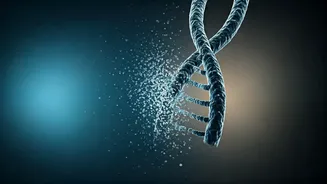
process that becomes more prevalent with time. While initially dismissed as inconsequential beyond reproductive functions, a growing body of scientific evidence now points to its profound impact on overall male health. For decades, the Y chromosome, much smaller than its X counterpart and possessing fewer genes, was thought to be dispensable in most cellular contexts. However, advanced genetic detection methods have revealed a startling reality: by age 60, roughly 40% of men exhibit some cells devoid of the Y chromosome. This figure escalates to 57% by age 90. Factors such as smoking and exposure to environmental carcinogens appear to accelerate this loss. The phenomenon, termed mosaic loss of Y (LOY), results in a cellular mosaicism where some cells retain the Y chromosome, while others do not. Crucially, when a cell loses the Y, all its subsequent daughter cells inherit this deficiency. Intriguingly, Y-deficient cells have demonstrated a tendency to proliferate more rapidly in laboratory settings, suggesting a potential competitive advantage within tissues, possibly even contributing to tumor development. This challenges the long-held assumption that the Y chromosome's primary roles in sex determination and sperm production were its sole significant functions, and that its loss would have minimal impact on broader health outcomes.
Health Risks Unveiled
The gradual disappearance of the Y chromosome from cells in aging men is no longer a biological curiosity but a significant health marker. Numerous large-scale studies have established a robust correlation between Y chromosome loss and an increased risk of severe health conditions. A prominent German study, for instance, identified a higher incidence of heart attacks among men over 60 who displayed elevated levels of Y loss. Beyond cardiovascular issues, research consistently links Y chromosome deficiency to kidney disease and an increased susceptibility to certain cancers, often with poorer prognoses. Furthermore, emerging evidence points towards a connection with neurodegenerative disorders; studies have observed a markedly higher prevalence of Y chromosome loss in individuals diagnosed with Alzheimer's disease. The COVID-19 pandemic also brought to light a potential association, with men experiencing Y loss appearing to face more severe outcomes, prompting investigations into its role in immune system regulation. While the association is clear, the question of causation remains an active area of research. It's plausible that underlying chronic illnesses or accelerated cell turnover might contribute to Y loss, rather than Y loss being the sole cause of these conditions. Some genetic research suggests a predisposition to Y loss may be inherited, linked to genes involved in regulating cell cycles and cancer susceptibility. However, compelling animal studies offer stronger causal evidence. In one experiment, mice that received Y-deficient blood cells developed age-related ailments, including diminished heart function and heart failure, indicating that the loss itself may directly instigate disease processes.
The Y Chromosome's Broader Role
Despite its relatively small size and limited gene count compared to the X chromosome, the Y chromosome plays a surprisingly diverse and critical role in male health that extends far beyond its well-known functions in sex determination and reproduction. Several of the genes it carries are not confined to reproductive tissues but are active across various parts of the body, influencing the regulation of other genes. This regulatory capacity is significant, with some Y-linked genes acting as crucial tumor suppressors, helping to prevent uncontrolled cell growth. Furthermore, the Y chromosome contains non-coding genetic material that plays a role in modulating the activity of other genes. This influence extends to vital processes such as immune system responses and the development of blood cells, explaining why its absence can have such widespread consequences. The recent completion of the full DNA sequence of the human Y chromosome has opened new avenues for understanding its complex functions. As scientists delve deeper into its genetic makeup and operational mechanisms, the implications for men's health become increasingly apparent. This microscopic genetic shift, the gradual disappearance of the Y chromosome, is emerging as a key factor subtly shaping men's well-being, impacting heart health, cognitive function, and cancer risk. Gaining a comprehensive understanding of this process holds the potential to revolutionize early disease detection, enable more personalized risk assessments, and pave the way for targeted therapeutic interventions aimed at promoting longer and healthier lives for men.