





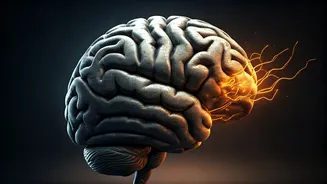
The Hidden Brain Assault
Weekend binge drinking, often perceived as a casual way to unwind, carries a heavier burden than many realize. Defined as consuming a significant amount
of alcohol rapidly—specifically, five or more drinks for men and four or more for women within a two-hour span—this practice places an intense strain on the brain and body. Unlike steady consumption, the rapid influx of alcohol overwhelms the system, initiating a cascade of neurological disruptions. Experts highlight that this concentrated intake, even if confined to weekends, triggers profound damage to the brain's intricate communication networks. These effects are not fleeting; they can leave an indelible mark on cognitive function and overall brain health, underscoring the critical need for awareness beyond the immediate aftermath of a drinking session.
Disrupting Neural Pathways
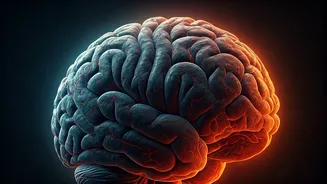
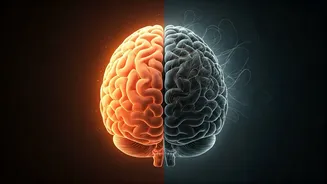
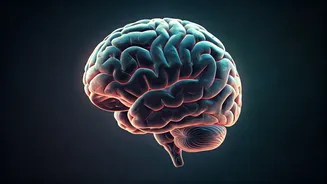
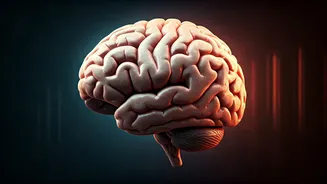
Alcohol's impact on the brain is primarily through its interference with vital chemical messengers known as neurotransmitters. These crucial compounds orchestrate our moods, govern memory formation, and dictate our decision-making processes. During a binge-drinking episode, elevated blood alcohol levels can inflict direct damage on the hippocampus, a brain region indispensable for creating and consolidating memories, which often explains the phenomenon of 'blackouts.' Over extended periods of repeated binge drinking, this assault can lead to a tangible reduction in brain tissue, particularly affecting areas responsible for learning new information and maintaining impulse control. Consequently, the brain's ability to function optimally in daily life is compromised, impacting everything from concentration to behavioral regulation.
Lingering Cognitive Slowness
The notion that the brain fully recovers from weekend binge drinking by Monday is a misconception. The concentrated alcohol exposure leaves behind subtle but persistent impairments that don't simply vanish with sobriety. This can manifest as a noticeable decline in attention span, a slowing of cognitive processing speed, and a diminished capacity for effective problem-solving. Research consistently points to young adults who engage in regular binge drinking as experiencing measurable cognitive deficits, even if these issues aren't immediately apparent. Such impairments often go unnoticed until they begin to affect academic performance or professional effectiveness, revealing the long-term, insidious nature of this habit.
Emotional Turmoil Unleashed
Beyond cognitive functions, binge drinking profoundly disrupts the brain's reward pathways, which are intrinsically linked to our emotional state and motivation. The surge of dopamine—a neurotransmitter associated with pleasure—triggered by alcohol consumption initiates a powerful cycle of craving and dependence. This creates a fertile ground for the development of anxiety disorders, depressive symptoms, and the more severe alcohol use disorder. Ironically, the very act intended to alleviate stress can paradoxically escalate it, contributing to a persistent state of emotional distress and mental health challenges that extend well beyond the weekend.
Safeguarding Your Brain
Protecting your brain from the detrimental effects of binge drinking begins with conscious awareness and proactive strategies. Reducing overall alcohol intake is paramount, alongside important practices such as alternating alcoholic drinks with water to mitigate dehydration and consuming food before drinking to slow alcohol absorption. Establishing clear personal boundaries regarding alcohol consumption is also crucial. While the brain is remarkably resilient, the cumulative toll of binge drinking can be significant. Recognizing that seemingly harmless weekend revelry can precipitate lasting health consequences is the first vital step towards preserving cognitive and emotional well-being.