




What is Sindhi Koki?
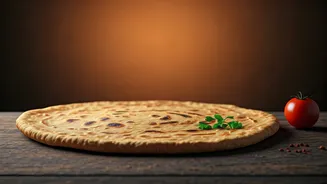
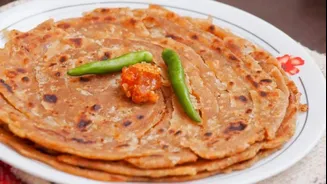
Sindhi Koki stands out as a cherished flatbread originating from the Sindh region of Pakistan, celebrated for its distinctive texture and deeply satisfying
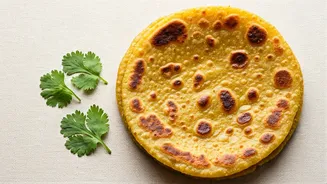
flavor. This particular bread is a popular breakfast choice, differentiating itself from typical flatbreads through its inherently thicker composition and a delightful crispiness that makes it a perfect start to the day. While its ingredient list is straightforward, mastering the art of preparing koki involves a careful touch to attain that ideal equilibrium between a satisfying crunch and a rich taste. It’s more than just bread; it’s a culinary heritage in every bite, offering a unique experience that stands apart in the realm of traditional baked goods.
Essential Ingredients & Making
Crafting authentic Sindhi Koki begins with fundamental components: whole wheat flour forms the base, complemented by water and salt for the dough. Aromatic spices are crucial for its characteristic taste, with cumin seeds or kalonji often lending their pungent notes. For those seeking an even richer outcome, incorporating a bit of yogurt or a touch of ghee into the mix can elevate the dough's texture and flavor profile. The process involves diligently kneading the ingredients until a smooth, cohesive dough is achieved. Subsequently, this dough is shaped into noticeably thick circular discs, ready to be transformed into the final product through careful cooking on a heated griddle, aiming for a beautiful golden-brown finish on both sides.
Achieving Perfect Texture
The secret to unlocking Sindhi Koki's signature crispiness lies in a patient cooking approach, primarily utilizing a low heat setting. This gentle heat ensures that the flatbread cooks thoroughly from the inside out, developing a delightful crunch on its exterior without burning. Enhancing the bread's appeal further, a drizzle of ghee or oil applied during the cooking process not only adds to its flavor but also contributes to its pleasing texture. Employing a spatula to gently press down on the koki as it cooks is another vital technique, promoting uniform heat distribution and guaranteeing an evenly cooked, perfectly crisp result that is both appealing and delicious.
Serving Sindhi Koki
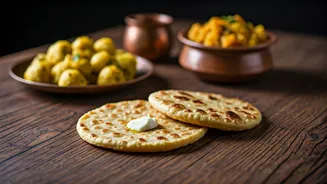
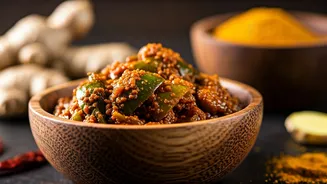
Sindhi Koki demonstrates remarkable versatility when it comes to accompaniments, offering a delightful array of pairings to complement its robust flavor. It is traditionally enjoyed with cooling yogurt or tangy pickles, which provide a delightful contrast to the bread's inherent richness. Many enthusiasts also favor savoring their koki alongside a warm cup of tea or a glass of milk, making it an integral part of their morning ritual. This adaptability allows Sindhi Koki to cater to a wide spectrum of tastes and preferences, ensuring that its traditional essence remains intact while being integrated into various breakfast or mealtime routines, proving its enduring appeal.
Nutritional Advantages
The primary ingredient in Sindhi Koki, whole wheat flour, bestows upon it a significant advantage as a rich source of dietary fiber. This fiber content is instrumental in promoting healthy digestion and fostering a prolonged sense of fullness, making it an excellent choice for a sustaining meal. Furthermore, the inclusion of various spices not only enhances the flavor profile but also contributes positively to one's well-being. These spices can aid in boosting metabolism and offer anti-inflammatory properties, transforming Sindhi Koki into more than just a delectable dish. It stands as a genuinely nutritious breakfast option for individuals who appreciate traditional flavors and are also mindful of health benefits.