






Vitamins: Head-to-Head
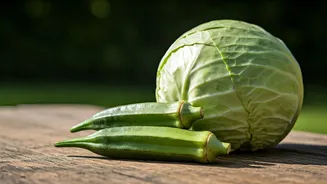
Okra and cabbage, both nutritional powerhouses, boast impressive vitamin profiles, but with subtle differences. Okra is a great source of Vitamin A, which
is crucial for vision, immune function, and cell growth. Cabbage, however, offers a different range. It is rich in Vitamin C, a powerful antioxidant that supports the immune system and helps protect cells from damage. Cabbage also contains Vitamin K, essential for blood clotting and bone health. While both provide essential vitamins, their strengths vary, catering to different nutritional needs. Including both in your diet offers a wider range of benefits. Okra provides Vitamin B6, aiding metabolism and brain development, while cabbage offers folate, vital for cell growth and DNA synthesis. In essence, the vitamin competition highlights the unique strengths of both okra and cabbage, showcasing how they complement each other nutritionally.
Antioxidant Power: Revealed!
Antioxidants play a vital role in protecting the body against free radicals, which can cause cellular damage and contribute to aging and diseases. Both okra and cabbage are packed with antioxidants, but they offer different types. Okra is a good source of antioxidants like flavonoids and isoquercetin. These compounds neutralize free radicals, safeguarding cells from oxidative stress. Cabbage also contains a wide array of antioxidants, including Vitamin C and glucosinolates. Glucosinolates are especially interesting, as they convert into isothiocyanates during cooking, which have been linked to anti-cancer properties. The antioxidant composition of each vegetable demonstrates their unique approach to combating cellular damage. Okra's antioxidants may provide different benefits compared to cabbage, making it beneficial to incorporate both into a balanced diet. Consuming a variety of antioxidant-rich foods is the best strategy for promoting overall health and well-being.
Mineral Content: Detailed
Minerals are essential for numerous bodily functions, from bone health to nerve function. Okra and cabbage both contribute valuable minerals to your diet, albeit in varying amounts and concentrations. Okra offers a moderate amount of magnesium, important for muscle and nerve function, and manganese, which is key for metabolism. Cabbage, on the other hand, is a good source of minerals like calcium, which is vital for bone health, and potassium, which helps regulate blood pressure. The specific mineral profiles of okra and cabbage cater to different aspects of health. Including both in your diet guarantees a wide range of essential nutrients. Okra can offer a boost of iron, which helps in oxygen transport, while cabbage can provide trace minerals like selenium. The mineral comparison showcases the unique contributions each vegetable makes, emphasizing the importance of dietary variety for optimal health and well-being.