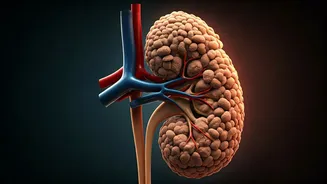





Your Kidneys' Crucial Role
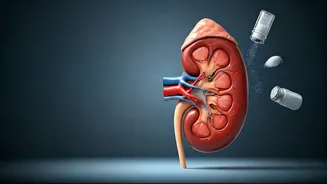
Your kidneys are unsung heroes, diligently filtering around 150-180 liters of blood daily. Beyond waste removal, they are pivotal in managing fluid balance,
regulating blood pressure, and maintaining essential mineral levels like sodium, potassium, and calcium. Many individuals remain unaware of kidney issues until considerable damage has already occurred. A growing body of evidence points towards common everyday practices that place undue stress on these vital organs over time, potentially leading to irreversible harm if not addressed promptly. Understanding these habits is the first step towards safeguarding your renal health.
The Dehydration Effect
One of the most impactful yet overlooked habits affecting kidney health is insufficient water intake. When you don't drink enough fluids, your kidneys are forced to work overtime, producing more concentrated urine to conserve water. This continuous strain can, over time, lead to kidney stones and impair the kidneys' ability to filter waste effectively. Furthermore, highly concentrated urine increases the risk of mineral crystallization, a key factor in stone formation. While general recommendations suggest approximately 3.7 liters for men and 2.7 liters for women daily, this intake should be augmented during exercise or in hot climates, with the American College of Sports Medicine recommending an additional 12 ounces of water for every 30 minutes of physical activity. Regular check-ups including blood pressure, blood sugar, and urine tests are crucial for early detection of kidney stress, allowing for timely interventions to slow or prevent further deterioration.
Salt: A Silent Strainer
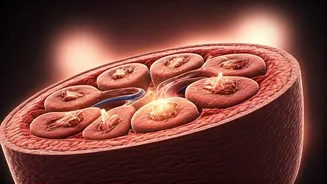
Excessive salt consumption poses a significant threat to both heart and kidney health. Hypertension, or high blood pressure, is a major contributor to kidney damage worldwide. The kidneys contain delicate blood vessels called glomeruli, responsible for filtering waste. Persistent high blood pressure can cause these vessels to narrow, weaken, or scar, thereby diminishing the kidneys' filtering efficiency and leading to a buildup of toxins and excess fluid in the body. Several daily habits, including excessive salt intake, consuming highly processed foods, chronic stress, inadequate sleep, and a sedentary lifestyle, can exacerbate hypertension and accelerate kidney damage. Those who frequently consume packaged snacks, fast food, and salty meals are often unaware of the extra burden they are placing on their kidneys. Processed foods, instant meals, packaged snacks, and restaurant entrees are primary sources of hidden sodium in many diets.
Painkiller Pitfalls
The routine use of over-the-counter pain relievers, particularly non-steroidal anti-inflammatory drugs (NSAIDs), can silently harm your kidneys. NSAIDs work by inhibiting the production of prostaglandins, essential chemicals that regulate blood flow within the kidneys. When consumed excessively, this inhibition can reduce blood supply to the kidneys, potentially leading to a condition known as analgesic nephropathy, or kidney damage. To safeguard kidney health, it's crucial to practice basic but consistent health habits. These include ensuring adequate hydration, moderating sodium intake, using prescribed medications as directed, and undergoing regular checks for blood pressure and blood sugar. Being informed about these habits empowers individuals to minimize their risk of permanent kidney damage. A balanced diet low in excess salt and refined sugars is vital for managing blood pressure and glucose levels. Regular exercise supports normal metabolism and heart function, indirectly benefiting the kidneys. Proper hydration, stress management, and maintaining a healthy body weight are also key. Patients with hypertension or diabetes must adhere strictly to their prescribed medications and follow medical advice regarding dietary and lifestyle modifications.