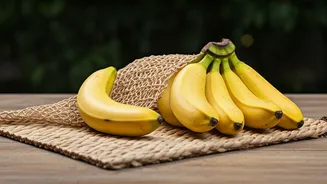






Separate Your Bananas
During the scorching Indian summers, bananas tend to ripen incredibly fast due to the high temperatures and humidity. A crucial step to combat this rapid
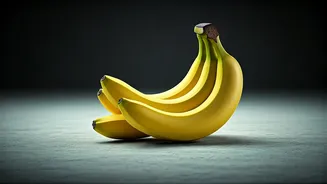
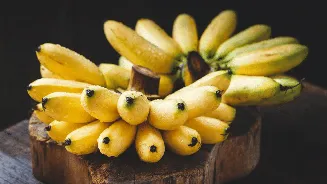
spoilage is to separate the bananas from the bunch as soon as you bring them home. When bananas are clustered together, they collectively release ethylene gas, a natural plant hormone that accelerates the ripening process for all the fruits in the group. By gently twisting each banana apart, you isolate them, significantly slowing down this ethylene-driven spoilage. This simple act can extend the usable life of your bananas by an impressive 3-4 days, which is particularly beneficial for smaller households that may not consume bananas as quickly, especially when temperatures are soaring.
Seal the Stems
The primary gateway for ethylene gas release from bananas is their stems. To effectively trap this ripening agent, you should meticulously cover the stem end of each individual banana. This can be achieved using common kitchen materials such as plastic cling film, aluminium foil, or even a damp kitchen towel secured firmly with a rubber band. By creating a seal around the stem, you create a barrier that significantly limits the escape of ethylene gas. This method is highly effective in preventing the gas from circulating and accelerating the ripening of the fruit, thereby keeping your bananas looking and tasting fresher for an extended period, often adding an extra 4-5 days to their shelf life even without refrigeration.
Elevate for Airflow
In the humid Indian summer, laying bananas flat, perhaps in a fruit bowl, can be detrimental. This resting position often leads to moisture accumulation and the development of pressure points or bruises on the fruit's skin, both of which hasten the onset of rot. To counteract this, it's recommended to suspend your bananas in an open-air environment. Utilizing a hook, a piece of string, or a dedicated banana hanger allows them to hang freely. This method promotes superior air circulation around the fruit, which is critical for reducing trapped moisture and preventing localized ethylene buildup. The enhanced ventilation helps maintain their freshness for a considerably longer duration.
Find a Cool Hideaway
The location where you store your bananas plays a pivotal role in their longevity, especially during hot weather. It's essential to avoid areas that experience fluctuating temperatures or direct heat. This means steering clear of kitchen spaces adjacent to stoves, ovens, or windows that receive direct sunlight, as these spots tend to amplify heat and accelerate ripening. Instead, seek out the coolest, darkest available spot in your home. Ideally, this would be a shaded cupboard, a pantry, or a corner where the temperature remains relatively stable, ideally around 12-15°C, and crucially, away from any direct sun exposure. Such a location helps to prevent the formation of those unsightly and spoilage-indicating black spots.
Isolate from Other Produce
Bananas are not the only fruits that emit ethylene gas; many other common produce items also release this ripening agent. Fruits like apples, mangoes, and even vegetables such as tomatoes can inadvertently trigger a faster spoilage process in your bananas if stored in close proximity. To ensure your bananas remain fresh for as long as possible in an Indian household, it's best practice to store them separately from other fruits. Whether this means dedicating a specific hook, a separate shelf, or a designated area away from your regular fruit basket, maintaining this isolation is a simple yet highly effective hack for preserving the quality and extending the life of your bananas.
Shop Smart, Watch Daily
Maximizing banana freshness begins at the point of purchase. When selecting bananas, opt for bunches that still have some green at their tips; this indicates they are less ripe and will gradually ripen over time, providing a longer window for consumption. Once you've brought them home, it's vital to adopt a daily inspection routine. Make it a habit to check your bananas each day. This allows you to identify and promptly remove any bananas that have started to overripen. Removing these culprits prevents their accelerated spoilage from influencing and negatively impacting the other, still-fresh bananas in the bunch, thereby optimizing their overall longevity in a fridge-free summer storage environment.