







A Timeless Buddhist Haven
Nestled within the vibrant metropolis of Mumbai, specifically in the eastern suburb of Andheri, lies a remarkable testament to ancient artistry and spirituality:
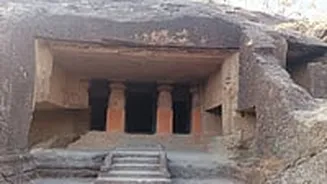
the Mahakali Caves. Also recognized as the Kondivite Caves, this complex comprises 19 distinct rock-cut Buddhist monuments, meticulously carved from solid black basalt rock. Their construction spans a significant period, ranging from the 2nd century BCE to the 6th century CE, indicating a long history of monastic life and spiritual devotion. These caves originally served as vital Buddhist monastic settlements, known as viharas, and as dedicated spaces for meditation and prayer, referred to as chaityas. The entire site, preserved under the Archaeological Survey of India (ASI), is thoughtfully divided into two main clusters: a larger group on the northwest face with 15 caves, and a smaller one on the southeast with 4 caves. This division highlights the organized structure of the ancient monastery, designed to accommodate a thriving community of monks and practitioners, offering a tranquil refuge from the passage of time and the external world.
Architectural Marvels and Water Storage
The Mahakali Caves present a fascinating architectural landscape, divided into distinct clusters. The northwest section boasts 15 caves, while the southeast comprises 4. Among these, a particularly noteworthy structure is Cave 9, which functions as a Chaitya, or prayer hall. This sacred space is adorned with a partly damaged stupa and intricate carvings of Buddhist deities etched into its walls, evoking a sense of profound spirituality and the echoes of ancient chants. Beyond the prayer halls, a critical element of the caves' design for sustaining monastic life is their expertly crafted rock-cut water cisterns. These reservoirs, carved directly into the black basalt rock, were ingeniously designed to collect and store rainwater, ensuring a consistent water supply for the inhabitants, even during Mumbai's arid periods. The smaller northwestern cluster also includes a cave specifically believed to have been utilized as a dining area, underscoring the practical arrangements made for the monastic community. These features collectively demonstrate the sophisticated planning and self-sufficiency of the ancient Buddhist settlement.
A Raw, Spiritual Experience
While visually reminiscent of other renowned rock-cut sites in the region such as the Kanheri and Elephanta Caves, the Mahakali Caves possess a distinct rawness and an unfiltered historical presence. Exploring each rock-cut cell reveals a unique narrative, offering profound insights into an era when life progressed at a more deliberate pace and spirituality was interwoven into the very fabric of daily existence. The Mahakali Caves were originally conceived solely for Buddhist purposes, serving as a sanctuary for practitioners engaged in spiritual pursuits and scholarly endeavors. It functioned not just as an isolated monastery but was intricately connected to other monastic centers, including the significant Kanheri Caves complex. The site's preservation by the Archaeological Survey of India (ASI) ensures that this historical and spiritual legacy continues to be accessible, allowing visitors to connect with the profound past that shaped this unique sanctuary within the heart of Mumbai.
Panoramic Views and Serene Ambiance
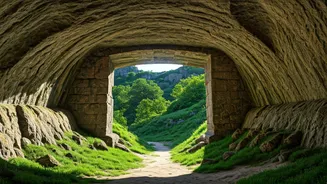
The Mahakali Caves offer more than just historical and spiritual enrichment; they provide a breathtaking visual experience, particularly for those who appreciate natural beauty. The site is open daily, with visiting hours concluding at 5 PM. To gain entry, visitors are required to scan a QR code, which directs them to the ASI website for online registration and ticket purchase. At a modest cost of approximately Rs 20 per person, the access is remarkably affordable. For history enthusiasts, the caves are an unmissable destination. Moreover, the location affords spectacular views of both sunrise and sunset. Ascending to the highest point in the southeastern section reveals a verdant, almost wild landscape dotted with trees and wildflowers. Continuing through this area and reaching the rooftop of the caves opens up a panoramic vista of the entire city below, often punctuated by majestic, misty mountains subtly visible behind the urban skyline. This unique combination of ancient history, natural beauty, and commanding city views creates a truly serene and captivating atmosphere.