





The Digestion Process
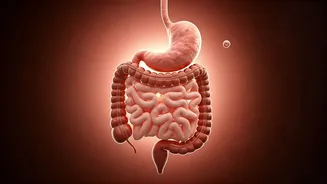
Digestion is a remarkable biological operation where food is systematically broken down into essential nutrients our bodies can absorb. This intricate
process primarily unfolds within the stomach and intestines, utilizing a combination of potent enzymes and acids to deconstruct ingested substances. While physical activity does stimulate metabolic functions, its direct influence on the core digestive mechanisms, such as the production of digestive enzymes or the maintenance of stomach acidity, remains a subject of ongoing discussion and scientific scrutiny. The body's energy allocation during exercise may prioritize other systems, leading to questions about how this interacts with the digestive journey.
Blood Flow Dynamics
Engaging in a walk after a meal can lead to an increased distribution of blood flow towards your muscles. A key concern is that this redirection of blood might occur at the expense of the digestive tract. If less blood is available to fuel the digestive organs, it could potentially slow down the breakdown and absorption of food, contrary to the popular notion that it speeds things up. The body's natural response to physical exertion involves prioritizing oxygen and nutrient delivery to active muscles, which could, for some individuals, manifest as a less efficient digestive process or even minor discomfort like bloating.
Moderate Strolls' Perks
While vigorous exertion immediately following a meal might not be the digestive aid many believe, a more gentle, moderate walk offers a different set of advantages. A leisurely post-meal stroll can serve as an excellent way to de-stress, clear your mind, and foster a sense of general well-being without posing a threat to your digestive rhythm. Incorporating such light activity into your day contributes positively to your overall physical activity goals, promoting a healthier lifestyle in a way that is generally comfortable and beneficial for most people.
Personalized Responses
It's crucial to recognize that how your body reacts to walking after eating isn't a one-size-fits-all scenario. Factors such as your age, current fitness level, and any pre-existing health conditions play a significant role in determining the outcome. For some, a light, unhurried walk might genuinely alleviate feelings of post-meal fullness or mild indigestion, making them feel more comfortable. Conversely, attempting more strenuous exercise too soon after consuming food could yield an adverse reaction for others, leading to the very discomfort they might have been trying to avoid.