



Nutritional Powerhouse Green
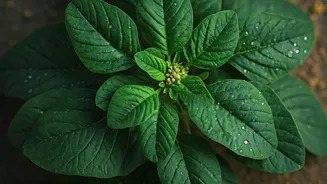
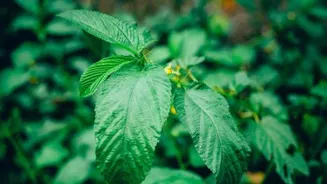
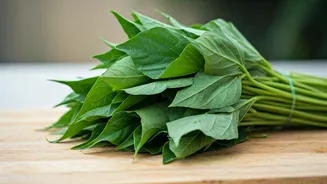
African jute leaves, scientifically known as *Corchorus*, are a cornerstone in numerous traditional African diets, prized for their exceptional nutritional
density. These vibrant greens are brimming with essential vitamins and minerals crucial for maintaining overall health and vitality. They are particularly rich in Vitamin A, vital for maintaining excellent vision, and Vitamin C, a powerful immune system booster. Furthermore, jute leaves contribute significantly to bone health through their calcium content and support healthy blood production with their iron levels. The presence of potassium also aids in various bodily functions. This remarkable nutrient profile makes them an indispensable part of balanced diets in many African communities, offering a natural and accessible way to meet daily nutritional requirements and promote well-being.
Versatile Culinary Delight
Beyond their health benefits, African jute leaves are a celebrated ingredient in traditional African cuisine, frequently starring in hearty soups and stews. Their unique texture adds a delightful mouthfeel to dishes, while simultaneously amplifying the nutritional value of the meal. A distinctive characteristic of jute leaves is their mucilaginous quality, which naturally imparts a desirable thickness to broths and sauces without the need for artificial thickening agents. This inherent property renders them incredibly versatile, allowing them to be seamlessly incorporated into a wide array of regional recipes. Whether simmered with other vegetables or served as a flavorful side dish, jute leaves lend a distinctive taste and wholesome goodness that is cherished in many cultural culinary traditions across the continent.
Healing Properties Unveiled
The value of African jute leaves extends beyond their role as a food source; they are also recognized for their inherent medicinal properties, utilized for centuries in traditional healing practices. These leaves are believed to possess anti-inflammatory qualities, potentially offering relief from inflammation-related discomfort. Their high fiber content is also thought to aid in promoting smoother digestion. Emerging scientific interest suggests that extracts from jute leaves may contain potent antioxidant compounds. These antioxidants play a crucial role in safeguarding the body's cells against damage caused by harmful free radicals, thereby contributing to long-term health and potentially reducing the risk of chronic diseases. This dual functionality makes jute leaves a truly remarkable botanical treasure.
Economic Backbone Cultivation
The cultivation of African jute leaves plays a significant role in the economic landscape, particularly for small-scale farmers and rural communities. These nutritious greens provide a vital source of income through sales in local markets, where their demand remains consistently high due to their dietary importance. Jute farming also champions sustainable agricultural practices. Its robust, deep-reaching root system is instrumental in preventing soil erosion, a critical concern in many regions. By improving soil structure and fertility, jute cultivation contributes to healthier land and more resilient farming systems, making it an economically and environmentally sound choice for agricultural development.