





Choosing Your Leather
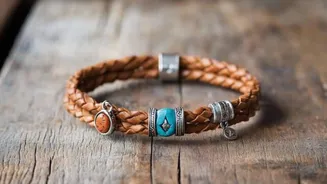
The foundation of a great bracelet lies in the leather you select. For an authentic feel and lasting durability, opt for vegetable-tanned leather. This
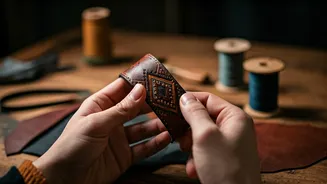
type of leather is renowned for its pliability, making it easy to work with, and its ability to absorb dyes beautifully, giving it a rich, earthy hue. It's also an environmentally conscious choice. Ensure the leather possesses a thickness suitable for enduring daily wear while remaining flexible enough to contour comfortably around the wrist. A piece that's too stiff will be uncomfortable, while one that's too thin might not hold up to regular use. Finding that perfect balance between robustness and comfort is key to a successful crafting project that you'll be proud to wear.
Embracing Traditional Designs
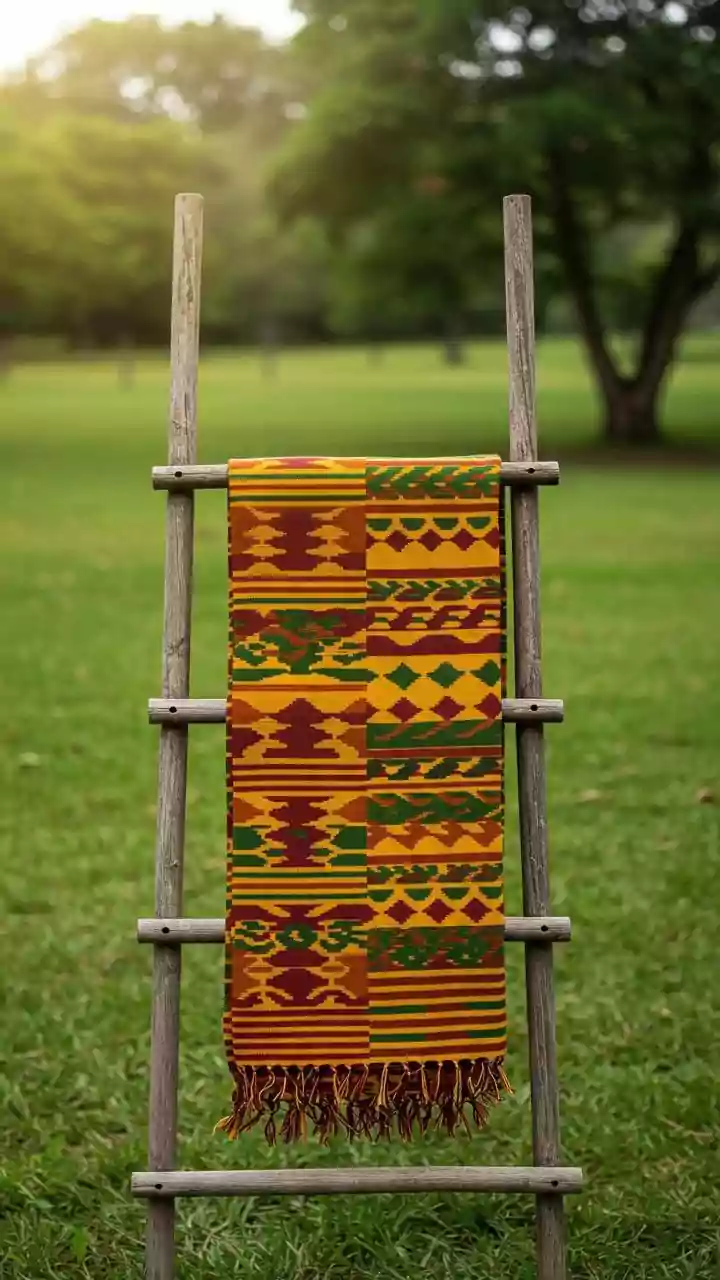
Tuareg artistry is defined by its intricate geometric patterns and symbolic motifs, each carrying deep cultural meaning. Before you even pick up a tool, take time to research these traditional designs. Familiarize yourself with their forms and significance. Once you have a clear idea, use a light pencil or chalk to sketch your chosen patterns directly onto the leather. This preliminary sketching phase is invaluable for achieving precision and allows for easy modifications before committing to permanent cuts or dyeing. It’s a crucial step in translating inspiration into a wearable piece of art that respects its cultural roots.
The Art of Natural Dyes
To imbue your bracelet with the authentic, organic aesthetic of traditional Tuareg pieces, embrace natural dyes. Materials like indigo and henna are excellent choices, offering unique and subtle color variations that synthetic alternatives often lack. These natural colorants are not only safe for your skin but also contribute to a beautiful, earthy finish that evokes the spirit of North African craftsmanship. Apply your chosen dye with a brush, ensuring an even coat across the leather's surface. Allow the dye to dry completely before proceeding to the next steps; this ensures optimal color saturation and prevents smudging.
Adding Subtle Metal Accents
Metal accents can elevate the visual appeal of your leather bracelet, lending an air of authenticity without overwhelming the design. Think of small, carefully placed metal studs, rivets, or even tiny metal beads. Strategically integrate these elements along the edges of the bracelet or within the carved geometric patterns you've incorporated. The key is moderation; the metalwork should enhance, not dominate, the overall aesthetic. Choose metals that complement the leather and the chosen dye colors, ensuring they harmonize with the bracelet's natural, handcrafted feel for a sophisticated touch.
Careful Assembly Techniques
With all your components meticulously prepared, the final stage is the precise assembly of your leather bracelet. Durability is paramount here. For a strong and lasting bond, consider using a high-quality leather adhesive glue. Alternatively, traditional stitching methods, such as the saddle stitch, offer exceptional resilience and a beautiful handcrafted finish. Whichever method you choose, ensure the joining of the leather pieces is secure and neat. This careful attention to assembly guarantees that your bracelet will not only look good but will also withstand the rigors of daily wear, maintaining its flexibility and form.