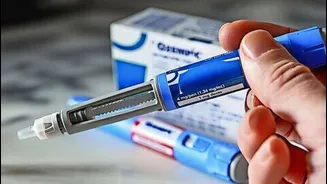








Combatting Weight Rebound
For individuals who have experienced significant weight loss through injectable GLP-1 medications but fear regaining it, a promising new development has
emerged. Orforglipron, an oral medication developed by Eli Lilly and recently granted FDA approval, is designed to address this very concern. Clinical studies suggest that this daily pill, a small molecule, can play a crucial role in sustaining the weight reduction achieved with injectable treatments. Beyond just keeping the pounds off, the research indicates that switching to Orforglipron may also help preserve the positive impacts on cardiometabolic health that patients have already gained. This offers a potential long-term solution for managing obesity, a condition often requiring ongoing treatment akin to other chronic health issues like high blood pressure or elevated cholesterol.
Clinical Trial Insights
The efficacy of Orforglipron in maintaining weight loss was rigorously tested in the ATTAIN-MAINTAIN trial. This study specifically enrolled participants who had previously achieved substantial weight reduction using weekly injectable GLP-1 drugs but whose weight loss had plateaued. These participants were then randomized into two groups: one receiving daily Orforglipron and the other a placebo, for a duration of 52 weeks. The trial involved distinct cohorts, with one group having previously taken tirzepatide and another semaglutide. The results were compelling: patients who transitioned from tirzepatide to Orforglipron maintained approximately 74.7% of their lost body weight, a stark contrast to the 49.2% maintained by those on placebo. Similarly, those who switched from semaglutide to Orforglipron retained about 79.3% of their weight loss, significantly outperforming the 37.6% seen in the placebo group. Over the year-long study, individuals on Orforglipron experienced modest weight gain, averaging 5 kg (11 lbs) in the tirzepatide-switching group and a mere 1 kg (2.2 lbs) in the semaglutide-switching group, highlighting its effectiveness in preventing substantial weight regain.
Beyond Weight Loss
The benefits of Orforglipron extend beyond just the number on the scale, with participants experiencing notable improvements in several key health indicators. The clinical trial data revealed that individuals taking the daily pill not only maintained a significant portion of their weight loss but also saw a reduction in waist circumference, a crucial measure of abdominal fat. Furthermore, the study indicated positive effects on blood pressure regulation, better control over blood sugar levels, and improvements in cholesterol profiles, including lower triglyceride levels. These combined effects underscore the medication's potential to mitigate the risks associated with obesity and contribute to overall cardiometabolic well-being. This multifaceted approach to weight management, addressing both body mass and associated health markers, positions Orforglipron as a significant advancement in the field.
Mechanism and Administration
Orforglipron, the active compound in the oral medication, functions similarly to injectable GLP-1 drugs but offers the convenience of a daily pill. Eli Lilly licensed this small molecule, which is available in six different dosage strengths ranging from 0.8 mg to 17.2 mg. As is typical with such treatments, patients usually start with the lowest dose and gradually increase it under the guidance of a healthcare professional to optimize tolerance and effectiveness. A key advantage of this oral formulation is that, unlike some other oral GLP-1 medications, it does not require restrictions on food or drink intake following administration. Researchers explain that the pill is rapidly absorbed into the bloodstream, allowing the active ingredient to efficiently reach its target tissues. This ease of use and rapid absorption contribute to its therapeutic potential in managing weight and associated metabolic conditions.
Safety and Considerations
While Orforglipron presents a promising new avenue for weight management, it is essential to be aware of its safety profile and potential side effects. The medication has received FDA approval but is not intended for use in children. As with certain other medications in its class, there are warnings regarding the potential risk of thyroid tumours, including thyroid cancer. Individuals taking the drug are advised to monitor for symptoms such as neck lumps or swelling, hoarseness, difficulty swallowing, or shortness of breath. Beyond these serious concerns, common side effects reported in trials include nausea, constipation, diarrhoea, vomiting, indigestion, stomach pain, headaches, abdominal swelling, fatigue, belching, heartburn, gas, and hair loss. A thorough discussion with a healthcare provider is crucial to weigh the benefits against these potential risks before starting treatment.