






Skin Color Clues
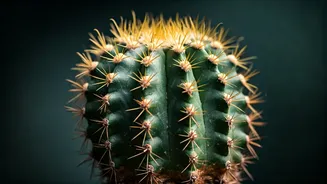
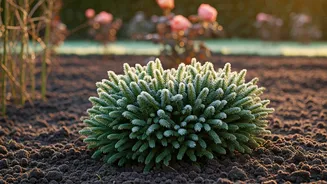
Cacti are known for their vibrant greens, but a change in hue can signal trouble. If your cactus's skin is shifting towards yellow or brown, it's a strong
indicator of issues. This discoloration often points to either excessive direct sunlight, which can scorch the plant, or a watering regimen that's too frequent, leading to root stress. Pay close attention to the amount of sun exposure it receives and how often you're watering. Adjusting these two fundamental elements can often rectify the problem and restore your cactus's natural coloration, preventing further decline and promoting a healthier appearance.
Texture Tells All
The tactile feel of your cactus offers crucial diagnostic information. A healthy cactus should feel firm and robust to the touch. However, if you notice that parts of your cactus have become unexpectedly soft or mushy, this is a significant warning sign. This change in texture is frequently a consequence of overwatering, which can create an environment conducive to root rot. To combat this, it's imperative to revise your watering habits immediately. Ensure the soil has ample time to dry out completely between watering sessions. This careful approach to hydration is vital for your cactus to recover from potential root damage and maintain its structural integrity.
Drooping & Wilting
When a cactus's typically upright arms or body begin to sag or droop, it's a clear indication of either insufficient hydration or inadequate light exposure. Dehydration causes the plant's tissues to lose turgor pressure, leading to a wilted appearance. Conversely, a lack of sufficient sunlight can weaken the plant, making it unable to support itself. To address this, prioritize providing your cactus with ample daily sunlight. If natural light sources are insufficient, consider supplementing with artificial grow lights. Ensuring your cactus receives the correct intensity and duration of light is paramount for its revitalization and overall well-being.
Pest Infestations
The presence of tiny invaders can severely compromise your cactus's health. Pests like spider mites and mealybugs are particularly destructive, capable of causing rapid deterioration. To safeguard your plant, regular inspection is key. Make it a habit to examine your cactus closely for any signs of these unwanted guests. Should you discover any, prompt action is necessary. Applying an insecticidal soap or neem oil is generally an effective strategy for eliminating these pests without causing harm to the cactus itself. Swift and targeted treatment can help restore your plant's vitality and prevent further damage.
Shriveling Base Woes
A cactus that shows signs of shriveling at its base often signals a deficit in watering, a problem that becomes particularly acute during warmer periods. When the base begins to recede or pucker, it indicates the plant is not receiving enough moisture to maintain its structure. The solution lies in correcting your watering schedule to ensure adequate hydration. Crucially, adopt a watering strategy where you allow the soil to dry out completely between each watering. This practice not only combats underwatering but also plays a vital role in preventing the detrimental effects of overwatering, thereby safeguarding the plant's fundamental health.