



Container Choices Matter
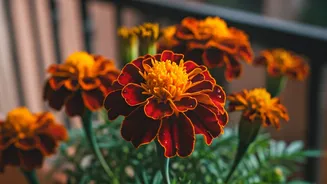
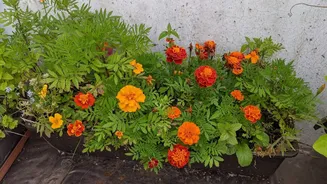
Embarking on your balcony marigold journey begins with selecting the ideal home for your plants. Aim for containers that are at least 12 inches across,
crucially equipped with drainage holes. These openings are vital for preventing waterlogged soil, a common pitfall that can lead to root issues. Porous materials like clay or terracotta are particularly beneficial as they facilitate crucial air circulation to the plant's root system. Furthermore, ensure each pot sits on a saucer. This simple addition serves a dual purpose: it neatly collects any surplus water, safeguarding your balcony's surface from moisture damage and maintaining a tidy appearance for your blooming haven.
Nourishing Soil Foundation
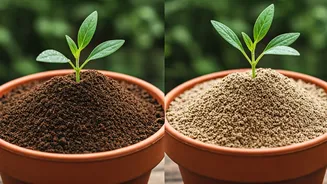
For marigolds to truly flourish in a container setting, the soil composition plays a pivotal role. They exhibit a preference for well-draining soil mediums that maintain a slightly acidic to neutral pH, ideally between six and seven. A high-quality potting mix enriched with organic elements, such as compost or peat moss, is highly recommended. These additions not only improve drainage, preventing compaction and water retention issues, but also supply essential nutrients for robust growth. When planting seeds, aim to sow them approximately half an inch deep, ensuring sufficient spacing between each seed to accommodate their eventual size. A gentle watering immediately after sowing helps settle the soil, creating a conducive environment for germination and early development.
Basking in Sunlight
Marigolds are sun-worshipping flowers, and for them to produce their most spectacular displays of color, they require a minimum of six hours of direct sunlight each day. Position your potted marigolds in a location on your balcony that receives consistent, unobstructed sunshine, with south-facing aspects being particularly advantageous. If your balcony's natural light is limited, creative solutions can be employed. Consider strategically placing reflective surfaces near your plants to bounce light towards them, or during periods of peak sunlight, manually move containers closer to available light sources to maximize their sun exposure. This dedication to sunlight will be rewarded with abundant, vibrant blooms throughout the growing season.
Watering and Feeding
While marigolds are known for their resilience and tolerance to dry conditions, consistent watering becomes more critical when they are cultivated in containers, as pots can dry out faster than garden beds. A good rule of thumb is to water your marigolds when the top inch of the soil feels dry to the touch. It's crucial to avoid overwatering, which can suffocate the roots and create an environment ripe for fungal diseases. To promote vigorous growth and plentiful flowering, a regular feeding schedule is beneficial. Every four weeks, administer a balanced liquid fertilizer. Dilute it according to the product's instructions to prevent root burn and ensure your marigolds receive the necessary nourishment for optimal development.
Natural Pest Defense
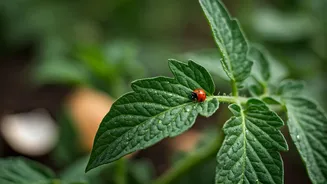
One of the many charms of marigolds is their inherent ability to act as a natural deterrent against a range of common garden pests, notably nematodes and aphids. However, even these hardy flowers can sometimes fall victim to an infestation. When you spot unwelcome visitors, prioritize gentle, natural remedies. Applications of neem oil or insecticidal soap offer an effective yet mild approach to pest control. Should these initial measures prove insufficient, consider introducing beneficial insects like ladybugs into your balcony garden. Ladybugs are highly effective predators of aphids, providing a biological solution that protects your marigolds and the surrounding ecosystem without resorting to harsh chemicals.