


Heritage Meets Modernity
The core of the article highlighted the harmonious marriage between India's rich heritage and the artistry of haute couture, focusing on the bridal aesthetic.
This meant exploring how the timeless elegance of traditional Indian craftsmanship intertwines with modern design sensibilities to produce unique bridal ensembles. The traditional elements are not merely replicated; instead, they are creatively reinterpreted. The article would have further explored the subtle nuances of this fusion, where age-old techniques such as intricate embroidery, weaving, and embellishments find their place in contemporary silhouettes. This would show how designers skillfully incorporate ancestral motifs and patterns into fresh, innovative designs that resonate with the modern Indian bride. The narrative would also likely delve into the significance of certain colors, fabrics, and adornments, which each have symbolic meanings and cultural relevance. This section will underscore the power of this fusion – a celebration of cultural identity that seamlessly fits into the world of modern fashion.
Bridal Couture Elements
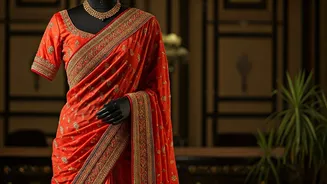
The discussion often revolves around the pivotal elements of Indian bridal couture, focusing on the intricate craftsmanship and design choices that define it. The narrative would emphasize the significance of fabrics, from luxurious silks and velvets to delicate organza and chiffon. Each fabric is carefully chosen not only for its aesthetic appeal but also for its cultural significance and ability to showcase the elaborate embroidery and embellishments that characterize Indian bridal wear. The embroidery, often meticulously handcrafted, will be described in detail; it could showcase techniques like zari work, a technique using gold or silver threads; sequins, or beads. Then there is the use of elaborate embellishments. These can range from semi-precious stones to pearls, which contribute to the opulence and grandeur of the bridal attire. The article would also explore the evolution of silhouettes, from traditional lehengas and sarees to contemporary gowns and fusion outfits. It would underline how designers are continually experimenting with cuts, draping styles, and layering techniques to create modern ensembles that stay true to Indian aesthetics while appealing to a global audience. The focus is to paint a complete picture of the factors that combine to create breathtaking bridal couture, illustrating how these elements combine and evolve to meet the tastes of the modern bride.
Symbolism in Design
Bridal fashion in India is a rich tapestry, where symbolism is deeply embedded in every design element. The article will highlight the importance of color, where each hue holds a specific cultural significance, often reflecting emotions, auspiciousness, and tradition. Red, for instance, is commonly associated with prosperity and marital bliss, while yellow signifies happiness and new beginnings. Moreover, the fabrics and embellishments used in bridal attire are carefully selected to convey specific meanings. The choice of silk, with its luxurious texture, symbolizes wealth and status, while the intricate embroidery patterns often represent blessings, protection, and fertility. The article will explore how these patterns – whether floral, geometric, or figurative – can carry personal significance to the bride and her family. The exploration extends to the jewelry, which also plays a crucial role in the symbolism. Necklaces, earrings, and bangles are not merely decorative elements. They represent different aspects of the bride's life and her relationship with her husband and family. Every element of the design, from the smallest detail to the overall silhouette, contributes to a greater narrative, creating a meaningful and visually stunning ensemble that goes beyond just aesthetics to represent the bride's journey.
Modern Bride's Choices
This section would delve into the evolving preferences of the modern Indian bride, discussing how contemporary influences and personal tastes are shaping bridal fashion. Today's brides are not only embracing their heritage but are also keen on incorporating modern elements into their wedding attire. This leads to a diverse range of choices, from traditional lehengas with a contemporary twist to fusion outfits that blend Indian and Western styles. The article would spotlight the growing trend of personalized designs, where brides work with designers to create custom ensembles that reflect their unique style and personality. The emphasis on individuality is causing a shift away from a 'one-size-fits-all' approach to bridal fashion. It is also common to see brides experimenting with different colors, fabrics, and silhouettes, often opting for unconventional choices that challenge traditional norms. There is also an increasing focus on comfort and practicality. Brides now prioritize comfort in their attire, selecting lighter fabrics and designs that allow them to move freely and enjoy their special day. The narrative would highlight the increasing influence of social media and global fashion trends on bridal choices, demonstrating how contemporary Indian brides are taking the best of both worlds, creating wedding looks that are both culturally rooted and fashion-forward.