





Embrace Nature's Touch
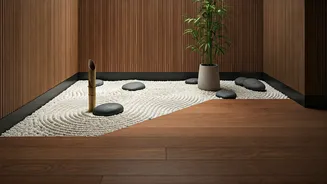
To cultivate a Zen-like atmosphere, integrating natural elements is paramount. Think about infusing your home with materials like wood, stone, and bamboo,
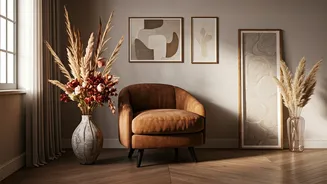
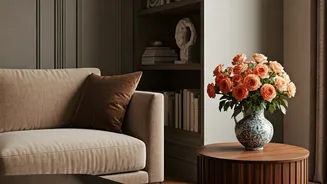
which are fundamental to the aesthetic of Zen gardens. These organic textures not only add visual interest but also contribute to a welcoming and grounded feel. For instance, introducing wooden furniture with clean lines or decorative bamboo accents can create a serene bedroom or living area. Incorporating stone elements, such as smooth pebbles in a decorative bowl or slate tiles in a hallway, further enhances this connection to the earth and promotes a sense of natural harmony within your dwelling, making the space feel more alive and serene.
The Power of Simplicity
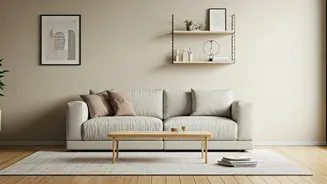
At its heart, Zen design thrives on profound simplicity. To translate this into your home, prioritize furnishings that feature unadorned, clean silhouettes, and consciously steer clear of excessive ornamentation that can lead to visual clutter. A palette of muted, neutral colors—think soft whites, calming beiges, and gentle grays—will serve to focus attention on the purity of form and space. By minimizing visual noise and adhering to a straightforward design philosophy, you can construct an environment that actively supports mental clarity and deep relaxation, fostering a truly peaceful retreat from the outside world.
Cultivate Openness
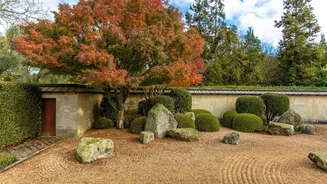
A core principle in Zen garden design is the creation of expansive, open areas, symbolizing a sense of liberation and profound peace. In your home, this can be achieved by thoughtfully reducing the amount of furniture and ensuring ample unhindered pathways for movement. Consider an open-concept layout, or strategically position your existing pieces to maximize the perception of space. This deliberate approach to openness generates an airy and uncluttered ambiance, allowing for a palpable sense of freedom and contributing significantly to an overall feeling of ease and tranquility within your living environment.
Intentional Greenery
Plants are vital components of Zen gardens, representing vitality and continuous growth. However, when applying this to a minimalist home, the key is thoughtful integration rather than overabundance. Select plants that are not only aesthetically pleasing but also require minimal upkeep, such as resilient succulents or the elegant bonsai tree. These additions bring life without demanding excessive attention. Display them in simple containers crafted from natural materials to ensure the focus remains on the organic beauty of the plant itself, enhancing the serene atmosphere.
Gentle Illumination
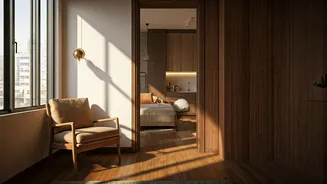
The quality of light significantly impacts a room's mood, and in Zen design, soft illumination is crucial for cultivating peace. Emulate this by employing gentle lighting techniques, such as using paper lanterns or floor lamps equipped with warm-toned bulbs. These sources cast a soft, ambient glow, effectively reducing harshness and promoting a tranquil atmosphere. It’s advisable to avoid strong, overhead lighting, which can disrupt the serene and calming vibe you are meticulously working to establish within your home sanctuary.