


Sweet Taste, No Calories?
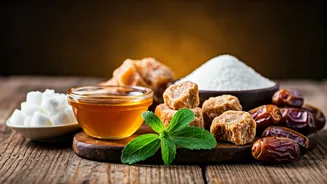
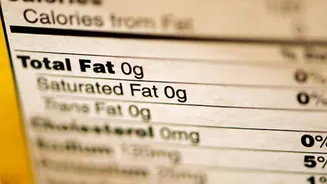
Zero-calorie sweeteners are formulated to deliver the sensation of sweetness without contributing any caloric energy to your diet. They achieve this by
stimulating the same sweet taste receptors on your tongue as regular sugar, effectively tricking your brain into believing you've consumed a sweet substance. Popular examples include aspartame, sucralose, and stevia. Although they don't provide energy, their interaction with your body's signaling pathways can still influence your appetite and how your body processes nutrients.
Appetite and Cravings Conundrum
The relationship between zero-calorie sweeteners and appetite is complex and not fully understood. Some individuals report experiencing increased cravings for sugary foods or a tendency to overeat later in the day after consuming these sweeteners. This phenomenon might occur because the brain anticipates a calorie intake upon tasting sweetness, and when none arrives, it can lead to a disruption in the body's natural hunger and satiety signals, causing a sense of imbalance in appetite regulation.
Metabolic Mysteries Unveiled
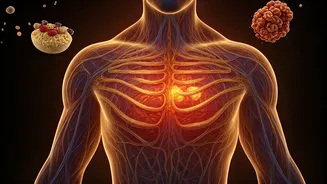
Research into the long-term metabolic consequences of regularly consuming zero-calorie sweeteners is ongoing. Preliminary findings suggest potential impacts on insulin sensitivity and alterations in the composition of gut bacteria. These changes could theoretically influence how your body manages blood sugar and appetite-regulating hormones. However, definitive conclusions are elusive, and further in-depth studies are crucial to fully grasp the extent of these metabolic effects.
The Mind Game of Sweetness
Beyond the physiological, psychological factors significantly shape the effectiveness of zero-calorie sweeteners in weight management efforts. A common mindset is that by opting for calorie-free alternatives, one gains permission to consume more calories from other food sources. This compensatory behavior can easily nullify any perceived calorie deficit achieved by using sweeteners, highlighting that conscious eating habits are as vital as the choice of sweetener itself.