
Understanding Kapalbhati Pranayama
Kapalbhati, often called the 'skull shining breath,' is a yogic technique that involves active and forceful exhalations followed by passive inhalations.
The core of this practice is the contraction of the abdominal muscles, which rapidly pushes the air out of the lungs. The term 'Kapal' translates to 'skull,' and 'Bhati' means 'shining' or 'illumination,' indicating its role in purifying the mind and body. This process aims to cleanse the respiratory system, stimulate the abdominal organs, and enhance overall vitality. Practicing Kapalbhati regularly can yield significant health benefits, making it an excellent addition to a daily wellness routine for overall well-being. It is recommended to practice this pranayama on an empty stomach to achieve the best results.
The Correct Technique
To perform Kapalbhati, sit comfortably in a cross-legged position, such as Sukhasana or Padmasana, or any comfortable seated posture with your spine erect. Close your eyes and take a few deep breaths to relax your body. Start by inhaling deeply through your nose, allowing your abdomen to expand naturally. Next, exhale forcefully through your nose, quickly contracting your abdominal muscles. The exhalation should be active and forceful, while the inhalation happens passively, without any conscious effort. Focus on the forceful exhalations, allowing the inhalations to follow. Initially, practice Kapalbhati for short rounds, say 10-20 breaths, and gradually increase the duration. Pay attention to the rhythm of your breath and focus on the forceful exhalations. Always maintain a comfortable pace and avoid straining your body. With consistent practice, you can increase both the duration and the number of repetitions.
Health Benefits Unveiled
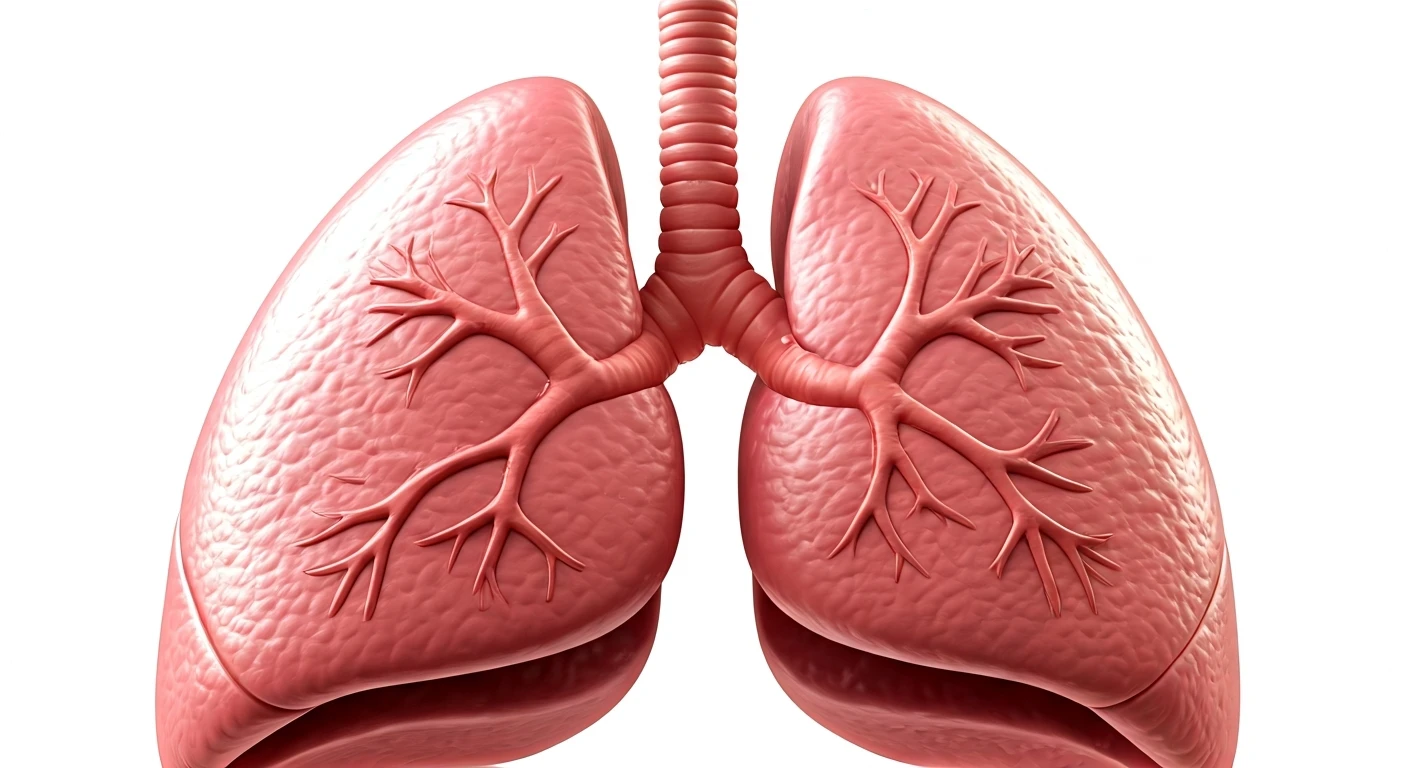
Kapalbhati offers a myriad of health benefits. Regular practice enhances the respiratory system by clearing the air passages and strengthening the lungs. It improves the digestive system by stimulating abdominal organs, aiding digestion, and alleviating bloating or constipation. This pranayama helps in detoxifying the body by expelling toxins through the breath. It also boosts metabolism and helps in weight management. Furthermore, Kapalbhati calms the mind, reduces stress, and improves concentration. It is also believed to stimulate the brain cells, which enhances mental clarity and focus. Practitioners often report increased energy levels, improved sleep quality, and a sense of overall well-being. It can also help balance the nervous system, leading to better emotional stability and reduced anxiety.
Tips for Beginners
If you're new to Kapalbhati, start slowly and listen to your body. Begin with a few rounds of 10-15 breaths and gradually increase the number of repetitions as you become comfortable. It's crucial to maintain a consistent practice. Regularity is key to realizing the full benefits. Practice Kapalbhati on an empty stomach, preferably in the morning or early evening. Sit with a straight spine and relax your shoulders. Initially, you might feel a little tired, but as you get used to it, you’ll feel more energetic. Do not overexert yourself. If you feel dizzy or lightheaded, stop the practice immediately and take slow, deep breaths. It’s always advisable to learn Kapalbhati under the guidance of a trained yoga instructor, especially if you have any pre-existing health conditions or are pregnant. This will help you learn the proper technique and avoid potential mistakes.
Integrating into Daily Life
Incorporating Kapalbhati into your daily routine is simple. Dedicate a specific time each day, even if it's just for a few minutes. Consistency is more important than duration. Find a quiet, well-ventilated space where you can practice without distractions. Morning is generally considered the best time to practice, as it helps energize you for the day. Make it a part of your pre- or post-exercise routine to enhance its effects. Try combining Kapalbhati with other yoga poses, breathing exercises, and meditation for a holistic practice. Set realistic goals, and don't get discouraged if you don't see immediate results. Results come with consistent practice. Be patient, and celebrate the small improvements you notice along the way. Stay focused on your breath and enjoy the process.