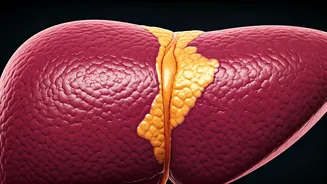








The Growing Epidemic
Metabolic dysfunction-associated steatotic liver disease (MASLD), previously known as fatty liver disease, is rapidly becoming a significant health concern,
particularly for the large population in India living with type 2 diabetes. Current research indicates that a substantial portion, estimated at 50–70 percent, of Indian adults with type 2 diabetes are affected by this condition. Without early detection and intervention, there's a serious risk that a considerable number of these individuals could experience severe liver complications, including inflammation, fibrosis, cirrhosis, and even liver cancer. Given India's status as having one of the world's largest diabetic populations, MASLD is silently emerging as a major public health challenge that demands urgent attention and tailored strategies for effective management and prevention.
Tailored Indian Approach
Recognizing the unique healthcare landscape and patient profiles in India, a group of Indian experts has recently developed and published consensus guidelines specifically for diagnosing and managing MASLD in individuals with type 2 diabetes. These guidelines are groundbreaking as they represent the first global recommendations that specifically address the intersection of MASLD and type 2 diabetes within an Indian context. This distinction is crucial because many existing international guidelines, such as those from the American Diabetes Association, are primarily based on evidence and healthcare systems prevalent in high-income Western countries. These Western recommendations often assume widespread access to expensive diagnostic tools and advanced medications, which may not be financially viable or readily available for many patients in India, where healthcare expenses are frequently borne directly by individuals through out-of-pocket payments, making advanced imaging or novel drugs unaffordable for a significant segment of the population.
Cost-Effective Screening
The recently developed Indian consensus guidelines tackle the financial realities faced by patients by advocating for a practical, step-wise approach to screening. This strategy begins with a simple clinical risk assessment and the utilization of basic laboratory tests, which are widely accessible and affordable. Following this initial assessment, the guidelines recommend the use of non-invasive fibrosis scoring tools and, when deemed appropriate, ultrasound examinations. This method is designed to efficiently identify individuals who are at the highest risk of developing severe liver complications without placing an undue financial or logistical burden on either the patients or the healthcare system. Such a pragmatic approach ensures that limited resources are utilized effectively, prioritizing early detection and intervention for those most in need.
Unique Asian Indian Profile
A significant factor driving the need for India-specific guidelines is the distinct metabolic profile observed in Asian Indians. Compared to their Western counterparts, individuals of Indian descent often develop type 2 diabetes and fatty liver at earlier ages and tend to have lower overall body weight. This predisposition is partly attributed to higher levels of abdominal fat accumulation and a greater degree of insulin resistance within this population. Consequently, the early and vigilant screening for liver disease in individuals diagnosed with diabetes becomes particularly critical in India. The tailored guidelines acknowledge these specific risk factors and emphasize the importance of proactive screening to mitigate the potential for advanced liver disease.
Culturally Adapted Diet
The dietary recommendations within the new Indian guidelines have been thoughtfully adapted to align with typical local eating patterns and preferences. Instead of focusing on Western dietary models, the guidelines prioritize reducing the intake of refined carbohydrates, excessive sugars, and unhealthy fats, which are common components of many Indian diets. Concurrently, they advocate for the promotion of traditional, healthier food choices, an increased consumption of whole grains and legumes, and a general emphasis on greater physical activity. This culturally sensitive approach aims to make sustainable dietary changes more achievable for the Indian population, fostering healthier eating habits that are both effective and practical within the local context.
Western vs. Indian Methods
Key differences emerge when comparing the Indian consensus recommendations with guidelines typically developed in Western countries. Western approaches often lean on advanced imaging or specialized biomarkers for assessing liver fat and fibrosis, tests that can be prohibitively expensive and not universally available across India. In contrast, the Indian guidelines champion simpler, more accessible tools like routine blood tests and non-invasive scoring systems as initial steps, reserving advanced imaging for specific cases. Furthermore, the Indian recommendations place a strong emphasis on lifestyle interventions—diet, weight reduction, and exercise—as the cornerstone of treatment, reflecting affordability and accessibility challenges with newer, costly medications in many parts of India. While Western guidelines may reference Mediterranean diets, the Indian approach translates healthy eating principles into culturally relevant Indian culinary traditions.