







Spotting the Difference
With escalating heatwaves, distinguishing between heat stroke and heat exhaustion is crucial. Dr. Naval Vikram, a Professor at AIIMS, clarifies that while
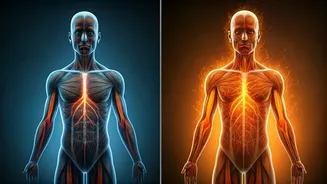
both stem from prolonged heat exposure, their severity and management vary significantly. Heat exhaustion, often characterized by fatigue, body aches, headaches, and muscle cramps, is generally manageable with rest and cooling. However, heat stroke presents a more alarming picture. Its hallmark signs include a drastically elevated body temperature, delirium, confusion, loss of consciousness, or even coma, accompanied by labored breathing. Unlike heat exhaustion, which leaves an individual conscious but fatigued, heat stroke signifies a medical emergency requiring immediate hospitalisation. Prompt recognition and appropriate action can be life-saving when dealing with these heat-related ailments.
Who Faces Higher Risk?
Certain demographics are inherently more vulnerable to the adverse effects of excessive heat, according to Dr. Naval Vikram from AIIMS. The extremes of age, specifically young children and older adults, represent the most at-risk groups. Children, due to their developing systems, may struggle to articulate their discomfort or symptoms effectively. Conversely, older adults often contend with pre-existing health conditions such as neurological issues, diabetes, hypertension, and kidney problems. These comorbidities can compromise multiple organ systems, making them more susceptible to rapid deterioration when exposed to heat. For these individuals, heat-related illnesses can be harder to diagnose, especially if they already exhibit confusion or altered behavior due to other ailments. Their limited physiological reserves mean they can quickly reach a critical point, highlighting the importance of extra vigilance and care for these populations.
Essential Prevention Strategies
While controlling the ambient temperature is often beyond our immediate grasp, adopting proactive measures can significantly mitigate the risks associated with extreme heat. Dr. Naval Vikram emphasizes avoiding prolonged exposure to high temperatures whenever possible. If venturing outdoors, it's imperative to cover your head and upper body, utilize an umbrella for shade, and maintain consistent hydration. Taking regular breaks in cooler environments, ideally for at least 30 minutes after a couple of hours in the heat, is vital for those working in hot conditions. These simple yet effective strategies can prevent the onset of heat-related illnesses. In the event that symptoms do arise, if they align with heat exhaustion, resting and ceasing strenuous activity is recommended. However, for severe manifestations like loss of consciousness or extremely high body temperature, immediate medical attention at a hospital is paramount; home remedies are insufficient and potentially dangerous in such critical situations.