



Protein Showdown
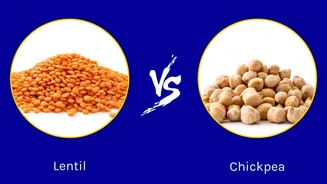
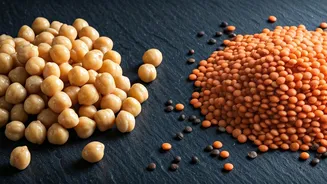
When it comes to protein, both chickpeas and lentils are nutritional champions, offering substantial amounts for plant-based eaters. A cooked cup of chickpeas typically
provides around 19 grams of protein, while a similar portion of lentils offers approximately 18 grams. This slight difference is hardly significant, positioning both as excellent choices for vegetarians and vegans aiming to increase their protein intake. They are fundamentally alike in their ability to contribute significantly to daily protein requirements, making them valuable additions to any meal plan. The focus should be on their overall contribution rather than minor variances, as both legumes excel in delivering this essential macronutrient.
Amino Acid Balance
Beyond total protein, the specific amino acid composition of chickpeas and lentils reveals subtle yet important distinctions. Chickpeas tend to be richer in methionine, an essential amino acid. Conversely, lentils boast a higher concentration of lysine, another vital building block. While the body requires a complete spectrum of essential amino acids, it's important to note that both legumes provide a good range. Consuming a variety of plant-based foods, including different types of legumes, is the most effective strategy to ensure a balanced intake of all necessary amino acids, supporting overall bodily functions optimally.
Cooking's Nutritional Touch
The preparation methods employed for chickpeas and lentils can influence their nutritional accessibility and digestibility. For chickpeas, soaking them prior to cooking is a common practice that not only shortens the cooking duration but may also enhance their ease of digestion. Lentils, on the other hand, generally do not require pre-soaking and cook more rapidly than chickpeas. Regardless of the legume, adopting proper cooking techniques is crucial for retaining the majority of their inherent nutritional value. Both methods, when executed correctly, are effective in preserving the goodness these legumes offer.
Fiber and Micronutrient Edge
While both chickpeas and lentils are celebrated for their fiber content, which is crucial for digestive health and maintaining healthy cholesterol levels, lentils often hold a slight advantage. Typically, cooked lentils provide approximately 7.6 to 12 grams of fiber per 100 grams. In comparison, chickpeas offer around 7 to 7.6 grams of fiber per 100 grams in a similar cooked state. Beyond fiber, lentils, particularly red varieties, frequently surpass chickpeas in iron content as well. Chickpeas, however, tend to be a richer source of manganese. These diverse micronutrient profiles mean incorporating both legumes into your diet can offer a broader spectrum of health benefits.