




Ancient Roots and Significance
Yoruba crown pottery represents far more than mere artistic expression; it is a profound cultural artifact deeply interwoven with the identity and history
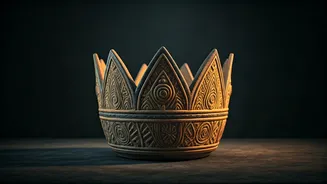
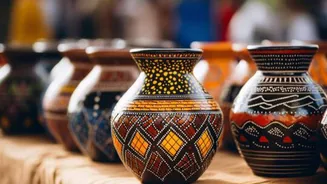
of the Yoruba people. With a legacy stretching back centuries, these remarkable ceramic creations played pivotal roles in significant ceremonies and sacred rituals, underscoring their integral place within the community's spiritual and social fabric. The intricate patterns adorning each vessel are not simply decorative embellishments but serve as a visual language, often depicting ancestral narratives, divine figures, or significant historical events. This rich historical context imbues the pottery with a narrative depth, elevating it beyond decorative objects to become carriers of ancestral wisdom and cultural memory. The creation of these pieces reflects a profound connection to heritage, serving as tangible links to the past that continue to resonate with present-day significance.
Masterful Craftsmanship Unveiled
The creation of Yoruba crown pottery is a testament to time-honored skills, passed down meticulously through countless generations of dedicated artisans. These craftspeople employ fundamental hand-building techniques, shaping pliable clay with practiced hands and immense care to ensure that no two pieces are ever identical, each bearing the unique imprint of its maker. Before the final firing, which solidifies the clay and guarantees its longevity, artisans meticulously carve or paint the intricate motifs that define these works. This deliberate process, often involving traditional kilns, not only ensures the durability of the finished pieces but also acts as a crucial stage for preserving the delicate artistry and the profound detail that makes Yoruba crown pottery so distinctive and revered. The skill involved is a direct inheritance, a living tradition carried forward with every piece created.
Symbolism in Every Stroke
The visual language of Yoruba crown pottery is rich with layers of cultural symbolism, where every etched line, painted dot, and sculpted form conveys specific meanings. Common motifs frequently include complex geometric patterns that often represent order and cosmic balance, alongside figural representations that may allude to ancestral spirits, revered deities, or the vital forces found in nature, such as flowing water or sturdy trees. These recurring symbols are far from arbitrary; they are imbued with significant cultural weight, communicating vital messages concerning personal and collective identity, spiritual beliefs, and the fundamental values that underpin Yoruba society. Understanding this symbolic lexicon provides a deeper appreciation for the art form, revealing it as a sophisticated medium for transmitting cultural knowledge and reinforcing social cohesion.
Contemporary Evolution and Influence
While deeply anchored in its traditional foundations, Yoruba crown pottery is a dynamic art form that continues to evolve, reflecting the creative explorations of contemporary artists. Today's artisans often venture into new forms and experiment with diverse materials, seeking innovative ways to express their heritage. Many skillfully integrate modern aesthetic sensibilities and artistic trends into their work, even as they steadfastly adhere to and employ traditional crafting techniques. This delicate balance allows them to connect with a wider, global audience without compromising the profound cultural significance and historical integrity that define this ancient art. This ongoing adaptation demonstrates the resilience and enduring relevance of Yoruba crown pottery, showcasing its capacity to remain vital and meaningful across changing times.