





The Dawn of Navratri
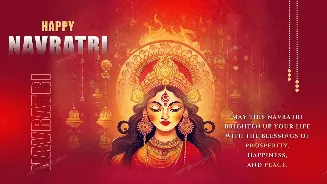
Chaitra Navratri, a paramount Hindu festival, commences in 2026 on March 19th with Ghatasthapana, ushering in nine days of fervent devotion to Goddess
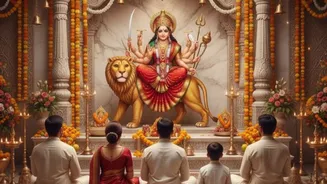
Durga and her nine manifestations. Throughout this period, devotees venerate these divine forms, known collectively as Navdurga, with each day dedicated to a specific goddess. This devotion is intertwined with distinct rituals and auspicious colors, which are believed to channel the unique energies of the worshipped deity. Embracing these colors, often worn by worshippers, has become a cherished practice, symbolizing positivity, profound reverence, and an acknowledgment of the potent divine feminine power that guides and protects. This tradition fosters a tangible connection to the festival's spiritual essence, enriching the experience for many believers as they align themselves with the goddess's vibrance.
Day 1: Shailputri's Yellow Radiance
The inaugural day of Chaitra Navratri 2026, March 19th, marks the sacred Ghatasthapana ritual, symbolizing the festival's commencement. This day is devoted to Goddess Shailputri, revered as the daughter of the Himalayas and the primordial form of Maa Durga. She embodies strength, untainted purity, and the nascent stages of spiritual awakening. Devotees embrace the color yellow, a hue synonymous with joy, vibrant energy, and an optimistic outlook, reflecting the goddess's benevolent presence and the fresh start of this sacred observance.
Day 2: Brahmacharini's Verdant Growth
On March 20th, the second day of Navratri, worshippers honor Goddess Brahmacharini, who personifies unwavering dedication, disciplined practice, and profound spiritual commitment. She is the embodiment of perseverance and the pursuit of divine knowledge. The auspicious color for this day is green, representing growth, harmony, and the unfolding of new beginnings. Many devotees engage in fasting and offer prayers, seeking her blessings for enhanced strength and wisdom in their spiritual journeys.
Day 3: Chandraghanta's Calm Grey
The third day of Navratri, March 21st, is dedicated to Goddess Chandraghanta, celebrated for her immense courage and protective aura. Her distinctive feature is a crescent moon on her forehead, resembling a bell. The chosen color for this day is grey, a shade that signifies balance and a tranquil disposition. Devotees invoke Goddess Chandraghanta's blessings, praying for fortitude, safeguard from adversity, and inner peace, acknowledging her valiant spirit and comforting presence.
Day 4: Kushmanda's Fiery Orange
March 22nd marks the fourth day, dedicated to Goddess Kushmanda. Hindu mythology posits her as the cosmic creator, whose gentle smile illuminated the universe into existence. The vibrant color associated with this day is orange, a shade that radiates enthusiasm, comforting warmth, and potent spiritual energy. Worshippers connect with her creative force and benevolent energy through this radiant hue, celebrating her role in the genesis of all life.
Day 5: Skandamata's Pure White
The fifth day of Navratri, observed on March 23rd, honors Goddess Skandamata, the devoted mother of Lord Kartikeya, also known as Skanda. She is the epitome of maternal love, unwavering protection, and boundless compassion. The color white is prescribed for this day, symbolizing purity, tranquility, and serene peace. Devotees seek her blessings for domestic harmony, happiness within their families, and the nurturing strength she bestows upon her followers.
Day 6: Katyayani's Bold Red
On March 24th, the sixth day is devoted to Goddess Katyayani, a formidable warrior aspect of Durga, who embodies courage and formidable divine strength. The auspicious color for this day is red, a powerful hue representing passion, inner strength, and fervent devotion. Many devotees offer prayers to Goddess Katyayani to shield them from negative influences and to manifest their heartfelt desires, acknowledging her fierce protective nature.
Day 7: Kalaratri's Deep Blue
March 25th is dedicated to Goddess Kalaratri, a fearsome yet benevolent form of Durga whose power lies in eradicating darkness and malevolent forces. The color associated with this day is royal blue, a shade that conveys majesty, dignity, and divine guardianship. Devotees worship her to overcome fear, dispel negativity, and remove obstacles from their life's path, recognizing her role as the ultimate remover of all that is inauspicious.
Day 8: Mahagauri's Gentle Pink
The eighth day, March 26th, is a significant occasion dedicated to Goddess Mahagauri. She is revered for her immaculate purity, serene calmness, and compassionate forgiveness. This day often includes the observance of Durga Ashtami rituals, including the veneration of young girls (Kanya Puja). The color pink, symbolizing tenderness, unconditional love, and radiant positivity, is embraced by devotees seeking her grace and benevolent blessings.
Day 9: Siddhidatri's Regal Purple
The ninth and concluding day of Navratri, March 27th, is dedicated to Goddess Siddhidatri, the bestower of spiritual powers and ultimate blessings. She is believed to grant profound wisdom, ensure success in endeavors, and fulfill cherished desires. The color purple, symbolizing high aspirations, spiritual enlightenment, and overall prosperity, is associated with this final day of worship. Devotees seek her ultimate blessings for spiritual attainment and worldly well-being.