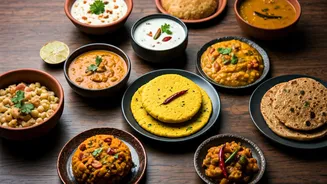

Introduction to Gujarat
Gujarat, a state on India's western coast, boasts a rich culinary heritage influenced by its geographical location and diverse communities. Gujarati food
is known for its balance of flavors – sweet, sour, spicy, and salty – making it a unique and delightful experience. The cuisine often relies on vegetarian dishes, using a variety of lentils, vegetables, and spices. The use of jaggery and tamarind is common, contributing to the distinct sweet and sour notes. Traditional cooking methods include steaming, frying, and slow-cooking, preserving the nutritional value of the ingredients. Gujarati cuisine caters to a wide range of palates, from the simple and home-style to the elaborate and festive. The food culture is deeply ingrained in the region's traditions, with each dish reflecting the values and lifestyle of its people. Understanding the roots of Gujarati food provides a strong foundation for appreciating its diverse and delightful dishes.
Dhokla: The Steamed Delight
Dhokla, a beloved Gujarati snack, is a steamed cake made from fermented batter of gram flour (besan). This fluffy, spongy dish is a staple in many Gujarati households. The batter, a mixture of besan, spices, and a leavening agent (like baking soda), is fermented for several hours to develop its characteristic tang. The fermentation process is crucial, as it results in the signature light and airy texture. After steaming, the dhokla is often tempered with mustard seeds, green chilies, and curry leaves for added flavor and visual appeal. This tempering adds a layer of complexity to the taste and enhances the overall enjoyment. Dhokla is typically served with a sweet and tangy chutney, providing a perfect balance of flavors. The dish is not only delicious but also relatively healthy, as it's steamed and low in oil. Its versatility makes it a perfect snack or breakfast option.
Thepla: A Savory Flatbread
Thepla is a flavorful and soft flatbread made from wheat flour, spices, and fenugreek leaves (methi). The dough is prepared by mixing wheat flour with various spices, such as turmeric, chili powder, and ginger-garlic paste. Fresh fenugreek leaves are a key ingredient, imparting a unique aroma and flavor. The dough is then rolled out into thin circles and cooked on a griddle with a touch of oil. This cooking process results in a slightly crisp exterior and a soft interior. Theplas are incredibly versatile and can be enjoyed for breakfast, lunch, or dinner. They're often packed for travel and are a popular accompaniment to various curries, dals, and yogurt. The addition of methi leaves contributes to the health benefits of the dish, making it a nutritious and satisfying meal. Theplas are a convenient and delicious option for any time of the day.
Undhiyu: A Winter Specialty
Undhiyu is a mixed vegetable dish, a winter specialty in Gujarat, known for its unique cooking method. This flavorful dish is typically made using a combination of seasonal vegetables like eggplant, potatoes, beans, and green peas. The vegetables are often cooked in a clay pot (matlu), which gives them a distinctive smoky flavor. The dish is cooked upside down (undhu), hence the name. The vegetables are marinated in a blend of spices and cooked slowly with yogurt or buttermilk, allowing the flavors to meld. The slow cooking process enhances the flavors and creates a tender texture. Undhiyu is often served with poori (fried bread) and shrikhand (sweet yogurt). The combination is a classic Gujarati meal, perfect for festive occasions. Its preparation is a labor of love, making it a cherished dish among families. The blend of various spices and vegetables makes it a highly nutritious and flavorful dish, suitable for cold weather.
Khandvi: Rolled Delights
Khandvi, an elegant and flavorful snack, consists of rolled-up gram flour (besan) sheets. The batter is cooked with buttermilk and spices until it thickens. Once cooled, the mixture is spread thinly on a surface and cut into strips. These strips are then rolled up into bite-sized portions. The rolls are often tempered with mustard seeds, sesame seeds, and curry leaves, adding a visual appeal and enhancing the flavor. Khandvi is a light and refreshing snack that's perfect as a starter or side dish. The texture is soft and delicate, while the flavors are savory and slightly tangy. Its preparation requires some skill, making it a rewarding dish for those who enjoy a culinary challenge. Khandvi is a popular choice for celebrations and gatherings, appreciated for its beautiful presentation and delicious taste. The combination of simple ingredients and careful preparation makes it a true Gujarati delicacy.
Dal Dhokli: Comfort Food
Dal Dhokli is a wholesome and comforting one-pot meal that combines dal (lentils) and dhokli (small, flattened wheat flour dumplings). The dal, typically made with toor dal (split pigeon peas), is cooked with spices until it reaches a rich consistency. Small pieces of dough, similar to pasta, are added to the simmering dal, and cooked until soft. The dough absorbs the flavors of the dal, creating a harmonious blend of tastes and textures. This dish is known for its hearty and satisfying nature, making it perfect for a comforting meal. It’s also relatively easy to prepare, making it a popular choice for everyday cooking. Dal Dhokli is nutritious, providing protein from the dal and carbohydrates from the dhokli. The blend of spices adds warmth and depth to the dish, making it a flavorful and fulfilling meal.
Fafda-Jalebi: Sweet & Savory
Fafda-Jalebi is a classic Gujarati breakfast combination, offering a delightful mix of sweet and savory flavors. Fafda is a crispy, deep-fried snack made from gram flour (besan) and spices. The dough is rolled into thin strips and deep-fried until golden brown and crispy. Jalebi, on the other hand, is a sweet treat made from fermented batter, deep-fried and soaked in sugar syrup. The contrast between the salty, crunchy fafda and the sweet, syrupy jalebi creates a unique and enjoyable taste experience. This combination is a favorite during festivals and celebrations, representing the diverse culinary traditions of Gujarat. It’s a popular breakfast choice, offering a burst of energy to start the day. The preparation of both fafda and jalebi requires skillful techniques, creating a memorable experience.
Khaman: Another Steamed Cake
Khaman, similar to dhokla, is another popular steamed snack made from gram flour (besan). While both are steamed, khaman often includes a slightly different preparation method and texture. The batter for khaman is prepared with besan, spices, and a leavening agent (often a fruit salt or a combination of baking soda and citric acid). The batter is steamed, resulting in a soft and fluffy texture. After steaming, khaman is often tempered with mustard seeds, green chilies, and curry leaves. The tempering process adds a flavorful and aromatic element. This snack is typically served with chutney, providing a burst of flavors. It’s a light and delicious snack, suitable for any time of the day. Khaman is a favorite among Gujaratis, loved for its airy texture and balanced taste.
Undhiyu Variations
Undhiyu, as previously introduced, has different variations depending on the regional preferences. While the core ingredients remain the same, various cooks make their unique changes. Some cooks might add specific vegetables like surti papdi or valor. The spices used can also vary, as some households prefer a spicier version, while others opt for milder flavors. The cooking method can also be adapted, some people prepare it in a pressure cooker while others stick to the traditional earthen pot. No matter the variation, undhiyu is always made with fresh and seasonal vegetables and is prepared with love and care. This allows for diverse experiences across households, offering distinct tastes and textures. Therefore, undhiyu is a flexible dish, capable of reflecting various tastes and preferences.