





The Hydration Tightrope
Maintaining adequate hydration is paramount for robust kidney function, yet many in India inadvertently disrupt this delicate equilibrium by either underconsuming
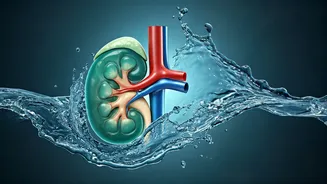
or overconsuming fluids. This imbalance can have significant repercussions on kidney health, contributing to issues like chronic kidney disease (CKD). While diabetes and hypertension are commonly recognized as major drivers of CKD, the often-overlooked factor of chronic underhydration plays a silent yet substantial role. In environments like India, particularly during scorching summers, individuals engaged in outdoor professions or even hospital staff frequently experience prolonged periods with minimal fluid intake. This habit can manifest as recurrent kidney stones, urinary tract infections, and a gradual, unexplained decline in kidney efficiency. Physiologically, insufficient fluid intake leads to reduced blood flow to the kidneys, elevated levels of vasopressin, resulting in the production of more concentrated urine, and increased strain on the kidney tubules. When this becomes a chronic pattern, it can inflict cumulative damage on these vital organs, a phenomenon increasingly supported by research from heat-affected regions, including India.
Navigating Fluid Intake Extremes
The public's understanding of optimal hydration for kidney health is often polarized, leading to detrimental practices. Some individuals consume minimal water daily, unaware of the cumulative damage caused by dehydration. Conversely, others, upon receiving a kidney health diagnosis, swing to the opposite extreme, believing that excessive water intake will miraculously cleanse their kidneys. This misconception can be particularly dangerous for the elderly, as overhydration can lead to hyponatremia, a dangerous condition characterized by low sodium levels in the blood. In clinical practice, a more practical and effective approach to managing fluid intake is to aim for lightly colored urine, which generally indicates adequate hydration, rather than adhering to a strict, arbitrary daily volume of water. This nuanced understanding moves beyond rigid prescriptions to a more intuitive and personalized method of ensuring the kidneys receive the appropriate amount of fluid.
Beyond Water: Holistic Kidney Care
While hydration is a cornerstone of kidney wellness, it cannot be considered in isolation from broader lifestyle and dietary habits. High sodium consumption, regrettably a norm rather than an exception in many Indian diets, directly fuels hypertension and kidney deterioration. Compounding these issues are sedentary lifestyles and poor management of blood sugar levels, which further exacerbate the strain on the kidneys. A frequently underestimated threat to kidney health is the casual and indiscriminate use of over-the-counter pain relievers and alternative medicines. Many individuals do not perceive these medications as potentially harmful, yet nephrologists frequently encounter cases of kidney injury directly linked to their consumption. Therefore, a comprehensive approach to kidney care must encompass not only adequate fluid intake but also a mindful consideration of dietary choices, physical activity, and medication prudence.
Dietary Dynamics and Protein
Protein intake often sparks considerable debate, especially with the increasing trend towards high-protein diets. For individuals with healthy kidneys, a moderate protein intake typically poses no significant threat and is essential for bodily functions. However, for those already managing chronic kidney disease (CKD), an uncontrolled or excessive protein consumption can unfortunately accelerate the progression of their condition. Conversely, overly restrictive protein diets, sometimes self-imposed, can lead to malnutrition and its associated health complications. This underscores the critical need for individualized dietary guidance tailored to specific health needs, rather than relying on generalized, one-size-fits-all recommendations. Expert consultation is vital to determine the optimal protein level that supports overall health without compromising kidney function.
Prioritizing Preventive Measures
In the daily practice of nephrology, medical professionals often dedicate significant attention to pharmacological interventions for kidney ailments. While medication is undoubtedly crucial, it should not eclipse the fundamental importance of preventive measures. Simple yet potent strategies such as ensuring sufficient hydration, curtailing excessive salt intake, maintaining a sensible approach to protein consumption, and consciously avoiding nephrotoxic substances are often not emphasized enough. These basic interventions, when consistently applied, form the bedrock of robust kidney health. To effectively combat the escalating burden of chronic kidney disease in India, it is imperative that these foundational preventive strategies are brought to the forefront of discussions, both between healthcare providers and their patients, and within the broader medical community.