






Understanding Growth Plates
For a long time, a persistent rumour suggested that engaging in weight lifting could hinder the natural growth process in children and teenagers. This
notion largely originated from misunderstandings about how resistance training affects developing bodies. However, a closer look at scientific evidence reveals that when undertaken with appropriate guidance and correct form, weight lifting can be both a secure and advantageous activity for young people. The primary concern often cited revolves around 'growth plates,' which are specialized areas of cartilage located at the ends of long bones in growing individuals. These crucial zones are responsible for bone elongation and shaping throughout childhood and adolescence. The fear was that external forces from weight lifting might cause damage or premature closure of these plates, thereby arresting height development. Nonetheless, numerous studies have conclusively demonstrated that supervised resistance training, executed with proper technique, poses no risk to these vital growth areas, ensuring that the body's natural elongation process remains unimpeded.
Youth Weight Lifting Advantages
The advantages of incorporating weight lifting into a young person's fitness regimen are multifaceted and extend beyond mere muscular development. Engaging in resistance training can lead to significant improvements in muscle strength and endurance, equipping children and adolescents with greater physical capability for various activities. Crucially, it also plays a vital role in enhancing bone density. Stronger bones are less susceptible to fractures and lay a foundation for lifelong skeletal health. Beyond strength and bone fortification, weight lifting contributes to better balance and coordination, which are essential components of overall physical prowess and motor skill development. Furthermore, regular participation in resistance training can serve as a powerful tool in the fight against childhood obesity. By increasing metabolism and promoting a healthier body composition through lean muscle development, it encourages a more active and robust lifestyle, setting positive health habits for the future.
Technique is Paramount
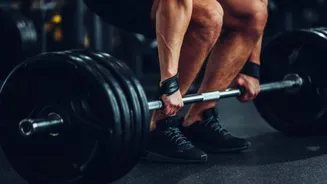
The cornerstone of ensuring weight lifting is safe and beneficial for younger individuals lies in the meticulous adherence to proper technique. When sessions are overseen by qualified professionals, there is a significantly reduced risk of injury, as exercises are performed in a manner that prioritizes correct biomechanics. For those new to resistance training, a common and effective approach involves utilizing lighter weights coupled with a higher number of repetitions. This method allows the individual to concentrate on mastering the form and executing each movement with precision, rather than focusing on the sheer amount of weight lifted. Mastering form from the outset builds a solid foundation, prevents the development of bad habits, and ensures that the muscles are worked effectively and safely, setting the stage for progressive overload in the future without compromising safety.
Supervision's Crucial Role
The presence of expert supervision cannot be overstated when it comes to young people participating in weight lifting activities. Experienced coaches or trainers specializing in youth fitness possess the knowledge to tailor training programs specifically to the individual needs of each child, taking into account their age, current physical abilities, and personal fitness objectives. These professionals actively monitor the progress of their young charges, making necessary adjustments to the training plan as required. This vigilant oversight is critical not only for maximizing the benefits derived from the training sessions but, more importantly, for preventing potential injuries. By ensuring that exercises are performed correctly and that the overall training load is appropriate, supervision guarantees a safe and productive environment for growth and strength development.