





Prioritize Constant Hydration
The most critical defense against the heat is maintaining optimal hydration levels, according to medical experts. It's vital not to wait until thirst strikes,
as this is an indicator that your body is already beginning to dehydrate. The general recommendation for adults is to consume between 2.5 to 3.5 liters of fluids daily, with this intake needing to increase significantly if you are exposed to direct sunlight or high temperatures. Merely drinking water may not suffice to replenish essential minerals lost through perspiration. Therefore, incorporating beverages rich in electrolytes such as coconut water, buttermilk, or commercially available oral rehydration solutions is highly recommended to effectively restore your body's balance.
Avoid Peak Heat Hours
Understanding the environmental heat load is key to avoiding heat-related illnesses. The period between noon and 4:00 PM typically experiences the most intense heat. During these hours, the body's natural cooling mechanisms, like sweating, become less efficient, especially in humid conditions. It is strongly advised to limit your time spent outdoors during this window. If venturing out is unavoidable, employ protective measures such as using umbrellas and hats, wearing sunglasses, and seeking refuge in shaded or air-conditioned environments at regular intervals to allow your body to recover and cool down.
Dress for Cooler Comfort
The choice of clothing plays a significant role in your body's ability to regulate temperature during hot weather. Opting for loose-fitting garments made from light-colored cotton fabrics is advisable. These materials promote better airflow, allowing sweat to evaporate more efficiently, which aids in cooling. Conversely, tight-fitting clothing or those made from synthetic materials can trap heat close to the body, exacerbating thermal stress and increasing the risk of heat exhaustion. By selecting appropriate attire, you enhance your body's natural thermoregulation capabilities.
Adjust Your Diet
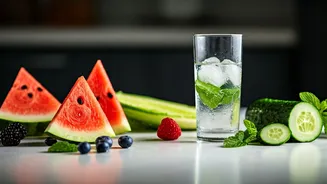
During periods of intense heat, modifying your dietary habits can significantly aid in managing your body's internal temperature. Consuming heavy meals requires more energy and consequently generates more body heat. It is beneficial to opt for smaller, lighter meals that are abundant in water content. Foods such as watermelon, cucumbers, and various citrus fruits are excellent choices. Additionally, for individuals who experience heavy sweating, adding a pinch of salt to drinks like lemon water can help maintain essential sodium levels, preventing further depletion.
Recognize Early Warnings
Paying close attention to the early indicators of heat distress is paramount in preventing severe heatstroke. Symptoms such as fatigue, feeling dizzy, headaches, nausea, or experiencing muscle cramps are important signals that your body is struggling with the heat. Ignoring these signs can escalate to heatstroke, which can be life-threatening. Immediate actions should include moving to a cooler environment, drinking fluids, and cooling the body. If confusion, fainting, or a significant reduction in sweating occurs, it is imperative to seek immediate medical attention to avert serious health consequences.