




A Cultural Tapestry
Berber rug designs are more than just aesthetically pleasing; they are a profound expression of North Africa's indigenous Berber people, carrying centuries
of history and meaning. These patterns, characterized by bold geometric shapes and intricate lines, often serve as a visual language, narrating stories of life, nature, and ancestral traditions. Each motif is a fragment of a rich cultural legacy, deeply rooted in the region's heritage. Today, this enduring artistic tradition continues to captivate and inspire creators across the globe, who are drawn to its authenticity and symbolic depth, seeking to weave its essence into their own artistic expressions and reinterpret its timeless beauty for a new era.
Modern Mosaic's New Muse
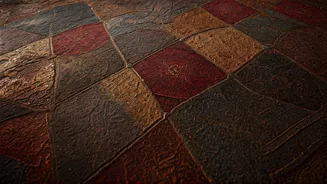
The striking visual appeal and profound symbolism embedded within Berber rug patterns have made them a significant source of inspiration for contemporary mosaic artists. These artists skillfully translate the essence of these ancient motifs into the vibrant medium of mosaics, creating artworks that resonate with both aficionados of tradition and admirers of modern design. By employing a diverse palette of colors and an array of materials, from glass tesserae to ceramic shards, they offer fresh perspectives on familiar designs. This innovative approach ensures that the core spirit of the Berber patterns is preserved while simultaneously infusing them with a contemporary sensibility, bridging the gap between past and present in captivating visual narratives.
Crafting Berber Mosaics
The successful integration of Berber rug patterns into mosaic art involves a thoughtful combination of established craft principles and contemporary methodologies. Artists typically begin by carefully selecting the most evocative patterns and motifs that align with their artistic vision. The subsequent process involves meticulously translating these designs into mosaic form, using an assortment of tiles or glass pieces. Precision is paramount, especially given the inherently geometric nature of Berber designs; accurate planning and careful execution are crucial to maintaining the integrity and visual harmony of each intricate pattern. This disciplined approach ensures that the final mosaic artwork faithfully reflects the spirit and structure of its rug-inspired origins.
Global Art's Influence
The incorporation of Berber rug patterns into modern mosaic art has undeniably left a significant mark on the international art landscape. Exhibitions showcasing these hybrid artworks not only shed light on the rich cultural heritage of North Africa but also demonstrate the remarkable adaptability of traditional art forms to contemporary aesthetic sensibilities. This dynamic cross-cultural dialogue enriches the global art community by fostering a deeper appreciation for diverse artistic traditions and encouraging further exploration of the connections between historical crafts and modern creative practices. It highlights how ancient motifs can transcend their origins and inspire innovative artistic expressions worldwide.