





Melon Varieties Explained
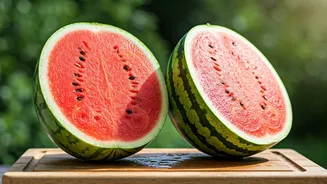
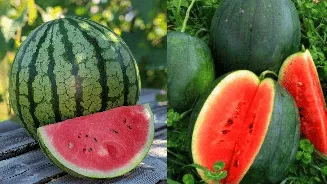
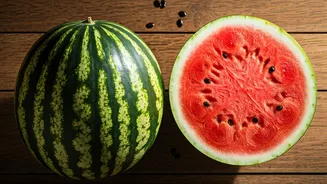
When you're at the market, you'll notice watermelons fall into two broad visual categories: those with a solid, deep green rind and others adorned with distinct,
darker green stripes. While these external differences are the most obvious, they don't inherently dictate sweetness or quality. Both types are cultivated varieties that offer a fantastic source of hydration and nutrients, making them ideal for India's warm climate. The choice between them often comes down to subtle variations in flesh texture and personal preference for flavour intensity. It's important to remember that the visual pattern alone isn't the sole determinant of a superior fruit; understanding other ripeness indicators is key to making the best selection every time you shop.
Nutritional Powerhouse
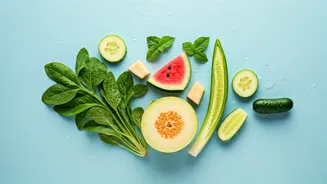
Irrespective of whether a watermelon boasts stripes or a uniform green exterior, all watermelons are nutritional champions that contribute significantly to your health. Composed of a remarkable 90-95% water, they are exceptionally effective for staying hydrated during periods of intense heat. Beyond their hydrating capabilities, they are abundant in essential vitamins like Vitamin A and C, crucial for maintaining good vision and a robust immune system, respectively. Potassium, also present in good amounts, plays a vital role in managing blood pressure levels. Furthermore, watermelons are a fantastic source of lycopene, a potent antioxidant known for its anti-inflammatory properties, helping to protect your body from cellular damage.
Taste and Texture Nuances
The core differences between various watermelon types often manifest in their flavour profile and the consistency of their flesh, rather than solely their rind patterns. Watermelons with stripes are frequently perceived to possess a more pronounced flavour, sometimes containing a higher concentration of natural sugars, leading to a perception of greater sweetness. In contrast, some of the uniformly green varieties are celebrated for their delicate, almost watery flesh. This texture is often found to be incredibly invigorating, providing a supremely refreshing experience on exceptionally muggy days. However, it's crucial to acknowledge that the actual sweetness can vary considerably from one individual fruit to another. Therefore, relying on external cues like the presence of webbing or sugary spots on the rind often proves to be a more dependable method for assessing quality than simply observing the stripe pattern.
The Art of Selection
Choosing the perfect watermelon is akin to mastering a sensory art, requiring keen observation of specific visual and tactile cues available at the market. A prime watermelon should feel considerably heavy in proportion to its size, a strong indication that it's brimming with juice. When inspecting the underside, look for a distinct patch that is creamy yellow in colour; this is known as the 'field spot' and signifies that the melon has matured naturally while still attached to the vine. Preference should generally be given to a rind that has a dull, matte appearance rather than one that is overly shiny. An excessively glossy exterior can sometimes suggest that the fruit was picked prematurely, before it achieved its optimal sweetness and flavour development.
Storage and Freshness
There's a common misconception that certain watermelon varieties maintain their freshness for a noticeably longer duration than others. In reality, both striped and uniformly green watermelons share a comparable shelf life. When kept whole and uncut, they can typically last for about two weeks in a pantry or cool, dry place, away from direct sunlight. Once sliced, their longevity reduces to approximately a week when stored in the refrigerator. To preserve the best possible flavour and texture after cutting, it is essential to seal the melon tightly, either by wrapping it securely or placing it in an airtight container. This prevents the juicy flesh from inadvertently absorbing any surrounding odours within the fridge, ensuring each subsequent slice remains as crisp and delightful as the first.