






Nourishing Your Tulsi Naturally
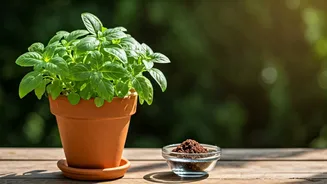
The Tulsi plant, or Holy Basil, holds significant cultural and medicinal importance in India, often gracing homes for its sacred status. To foster its growth
and ensure it flourishes, providing adequate nutrition is paramount. While commercial options exist, many plant enthusiasts opt for homemade fertilizers, embracing a more organic and natural approach. These DIY solutions are not only cost-effective but also environmentally friendly, contributing to a healthier plant and garden ecosystem. The key is to utilize common household items that are rich in essential nutrients, gently supplementing the soil to encourage robust development and a vibrant appearance. This approach respects the plant's natural needs and aligns with a sustainable gardening ethos, ensuring your sacred basil thrives with minimal intervention from synthetic chemicals.
Kitchen Waste Powerhouses
Several common kitchen byproducts can be transformed into potent fertilizers for your Tulsi. Used coffee grounds, for instance, are a goldmine of nitrogen, potassium, and phosphorus, vital for plant vitality, while also improving soil aeration and drainage. Ensure they are fully dried to prevent mold before mixing into the soil or adding to your compost. Similarly, spent tea leaves, whether black or green, offer beneficial nitrogen and tannins. They can be dried and incorporated into the soil or steeped in water to create a nutrient-rich liquid feed, which should be diluted before application. Eggshells, rich in calcium essential for cell wall strength, can deter pests like slugs and snails when washed, dried, and crushed into a fine powder to be mixed into the soil for slow-release nutrients. Banana peels are another excellent source, packed with potassium, phosphorus, and calcium, beneficial for overall health and encouraging blooming; they can be buried in small pieces near the plant or soaked to create a liquid fertilizer.
Specialized Homemade Boosts
Beyond general kitchen waste, specific items offer targeted benefits for your Tulsi. Epsom salt, scientifically known as magnesium sulfate, is a valuable source of magnesium, indispensable for chlorophyll production and photosynthesis, thereby enhancing nutrient absorption. Dissolve one tablespoon in a gallon of water and apply monthly, but exercise caution to avoid over-application. Onion peels, a surprising addition, provide iron, manganese, and calcium, helping to prevent the undesirable yellowing of leaves. Soaking them in water for about a week and using the strained liquid to water your plant is an effective method, or they can be dried and added to compost. Even curd or yogurt, when plain and unsoured, can be beneficial. Its beneficial bacteria and lactic acid can improve soil health and nutrient availability when mixed with water and used sparingly as a watering solution. These specialized ingredients, when used correctly, offer a comprehensive nutritional profile to support your Tulsi's vigorous growth.
The Mustard-Turmeric Elixir
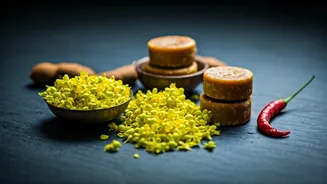
A particularly effective homemade fertilizer for revitalizing Tulsi, especially after winter, involves a potent blend of mustard and turmeric powders. Begin by grinding mustard seeds into a fine powder and drying them thoroughly to ensure longevity and prevent clumping. Combine half a teaspoon of this mustard powder with an equal amount of turmeric powder. This mixture is a powerhouse of nitrogen, phosphorus, potassium, magnesium, and iron, specifically designed to combat yellowing leaves and sparse growth. For potted plants, sprinkle one teaspoon of the dry mix into the soil of a 10-12 inch pot, or half a teaspoon for smaller ones, gently working it into moist soil. Alternatively, prepare a liquid feed by soaking half a teaspoon each of mustard and turmeric powder in one liter of lukewarm water overnight. Dilute this concentrate with two parts plain water before applying around the roots. For optimal results, apply this fertilizer monthly during peak summer (April-June) and every 15 days otherwise, as mustard's natural warmth aids growth while turmeric offers antifungal and insect-repelling properties.
Essential Care and Observation
Regardless of the homemade fertilizer chosen, moderation and careful observation are key to maintaining a healthy Tulsi plant. Over-fertilizing, even with natural ingredients, can cause stress and damage. Incorporating these organic materials into your compost bin is an excellent way to create a balanced, nutrient-rich amendment. It's also important to monitor your soil's pH, as most of these natural fertilizers are slightly acidic or neutral, which is generally favorable for Tulsi. However, excessive use of acidic components could alter the pH balance. Always pay close attention to your plant's response; signs of distress, such as wilting or leaf discoloration, indicate that the frequency or amount of fertilizer may need adjustment. By combining these simple, effective DIY feeding strategies with mindful observation, you ensure your Tulsi plant not only survives but thrives, becoming a lush, aromatic, and spiritually enriching presence in your home.