





A Fresh Start
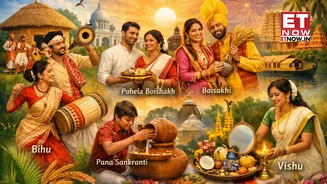
As the warmth of spring blossoms, communities across India and beyond eagerly anticipate Pohela Boishakh, also known as Nobo Borsho, the beloved Bengali
New Year. This festival signifies more than just a change of calendar; it's a profound cultural marker representing new beginnings, abundant prosperity, and the strengthening of communal bonds. The day is a beautiful tapestry woven with age-old traditions and the infectious excitement of a fresh start, inviting everyone to partake in its celebratory embrace. It embodies a collective aspiration to leave behind the challenges of the past and step forward with optimism and renewed vigor into the year ahead. The essence of Pohela Boishakh lies in its power to unite people through shared cultural experiences and a common hope for a brighter future, making it a cornerstone of Bengali identity.
Marking the Date
In the year 2026, Pohela Boishakh will grace our calendars on Wednesday, April 15th, marking the commencement of the Bengali year 1433. While the astronomical transition to a new solar cycle occurs on April 14th, the traditional observance of this festive occasion is set for the following day, in accordance with the established Bengali calendar. This timing holds significant cultural and economic importance, as it heralds the beginning of a new agricultural season and a fresh financial year. For farmers and traders, this day is particularly pivotal, symbolizing a chance to clear old debts and commence new ventures with a clean slate. It's a time deeply intertwined with the rhythms of nature and commerce, reinforcing its role as a vital cultural and economic milestone.
Universal Appeal
Pohela Boishakh stands out as a celebration of renewal, prosperity, and unity that transcends religious boundaries. Unlike many other festivals that are primarily faith-based, this occasion is predominantly cultural and secular, embraced by individuals from all communities in regions like West Bengal and Tripura, as well as in Bangladesh. It serves as a poignant reminder to shed the burdens and worries of the preceding year, encouraging participants to embark on a new chapter with a heart full of positivity and hope. The universal appeal of Pohela Boishakh lies in its ability to foster a sense of shared identity and collective well-being, making it a truly inclusive and unifying cultural event that celebrates the spirit of togetherness.
The Haal Khata Tradition
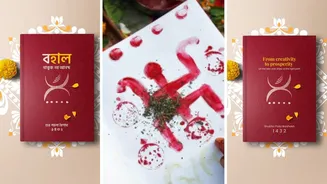
A cornerstone of Pohela Boishakh, particularly for the business community, is the revered 'Haal Khata' ceremony. This cherished ritual involves the formal closing of the previous year's account books and the auspicious opening of new ledgers, symbolizing a fresh start for financial dealings. Business owners typically extend invitations to their valued customers, welcoming them with warm hospitality and often offering sweet treats as a gesture of goodwill. This practice underscores the importance of relationships and ethical business practices, reinforcing the festive spirit of generosity and community engagement. The Haal Khata is a testament to the enduring values of tradition and partnership that are central to Bengali commerce and culture.
Festive Fashions & Decor
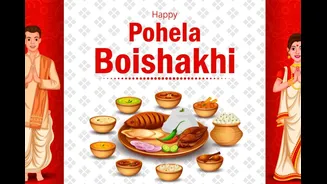
The celebration of Pohela Boishakh is visually stunning, marked by vibrant decorations and traditional attire. Homes are beautifully adorned with intricate 'alpona', decorative patterns reminiscent of rangoli, adding a splash of color and artistry. Participants dress in their finest festive clothing, with women often seen in elegant white sarees featuring striking red borders, while men opt for traditional kurtas or dhotis. Of course, no celebration is truly complete without indulging in the culinary delights that are synonymous with this occasion. Staple dishes like 'panta bhat' (fermented rice) and the beloved 'ilish' (hilsa fish) are not merely food items but are rich symbols of abundance, cultural pride, and the bounty of the season, making the feasting a significant part of the day's festivities.
Cultural Showcase
Pohela Boishakh transcends the simple designation of a 'New Year'; it is a profound expression of Bengali heritage. The day is brought alive with a vibrant array of activities, including soul-stirring music, captivating dance performances, lively street fairs, and colorful processions. These events serve as a powerful showcase of the rich and diverse cultural tapestry of the Bengali people. They offer a platform for the community to come together, celebrate their shared history, and pass on these invaluable traditions to younger generations. The festive atmosphere, filled with joy and cultural pride, makes Pohela Boishakh a truly memorable and significant occasion for all who participate, reinforcing a strong sense of cultural identity and belonging.