



Material Collection Essentials
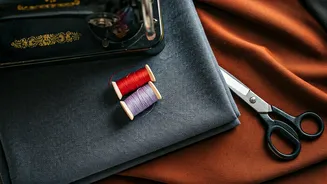
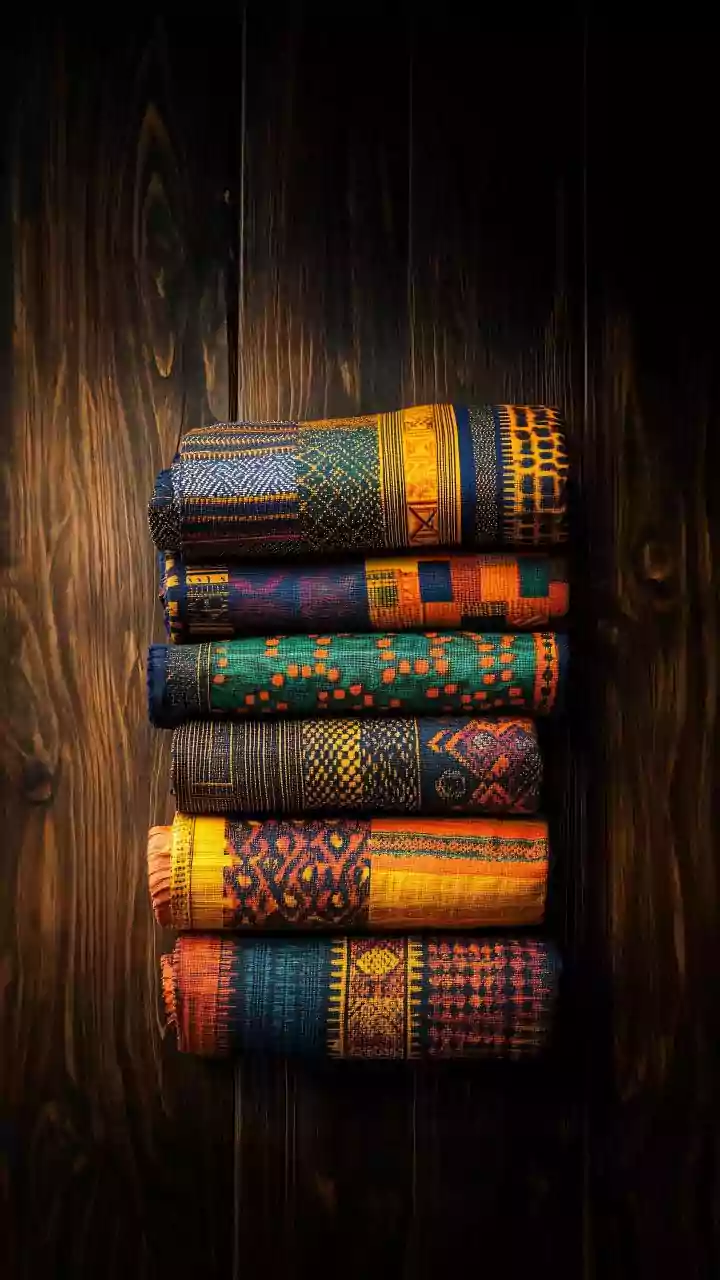
Embarking on your eco-friendly rug creation begins with a thoughtful gathering of materials. Seek out an assortment of fabric scraps, which can include
anything from worn-out apparel and remnants from past sewing ventures to linens that have seen better days. The key is to ensure these textiles are clean and free of any irreparable damage or stubborn stains, as a pristine foundation will lead to a more appealing final product. A diverse palette of colors and patterns within your collection will undoubtedly enrich the visual appeal and character of the rug you intend to make, allowing for a truly personalized design that stands out.
Conceptualizing Your Design
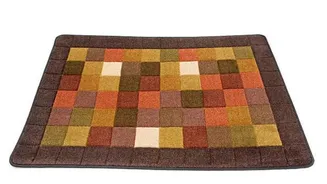
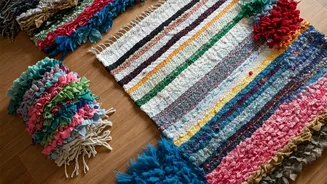
Before you dive into the hands-on crafting process, dedicating time to conceptualize your rug's design is crucial. Ponder the aesthetic you wish to achieve, whether it's a minimalist geometric arrangement or a more complex, artful pattern, aligning with your personal taste and crafting proficiency. Creating a visual guide, perhaps a simple sketch, can serve as an invaluable roadmap. This preliminary planning ensures that each component you prepare will integrate seamlessly with others, resulting in a cohesive and aesthetically pleasing final piece that you will be proud of.
Assembling Fabric Pieces
With your materials curated and design blueprint in hand, the next step involves meticulously cutting your fabric scraps. Aim to shape them into strips or squares, maintaining consistency in size and form as dictated by your chosen design. This uniformity is vital for achieving a balanced texture and appearance across the entire rug. Following the cutting phase, securely attach these fabric segments. You can opt for fabric glue for a quick bond or employ stitching techniques for enhanced durability, ensuring that the edges are well-secured and resistant to fraying over time, preserving the rug's integrity.
Adding Durable Backing
To elevate the longevity and safety of your handmade rug, the addition of a sturdy backing is a critical finishing touch. Materials like felt or robust canvas are excellent choices, providing essential support and crucially, preventing the rug from sliding on various floor surfaces. Affix this backing securely to the assembled fabric structure using additional stitching or a reliable adhesive. This final step ensures that all elements are firmly connected, guaranteeing that your eco-friendly rug will withstand regular use and maintain its form for years to come.