
The Liver's Crucial Role
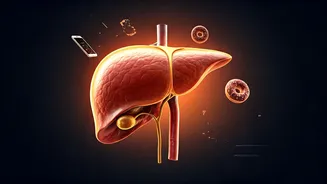
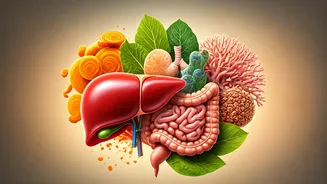
The liver is a silent workhorse, performing over 500 vital functions daily. It's essential for detoxification, protein synthesis, digestion via bile production,
and maintaining a smooth metabolism. Typically, it operates without complaint, diligently managing the body's complex internal environment. Understanding its broad responsibilities highlights why its health is so fundamental to our overall well-being. Without a properly functioning liver, many bodily processes would falter, impacting energy levels, nutrient processing, and the ability to eliminate harmful substances.
The Rise of NAFLD
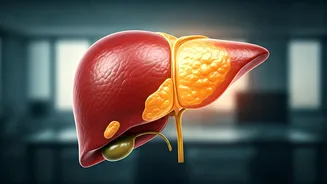
While alcohol-related liver disease has been a long-standing concern, a more insidious condition, Non-Alcoholic Fatty Liver Disease (NAFLD), is increasingly prevalent. This condition, also known as steatosis, is intimately tied to contemporary living patterns and affects a growing number of individuals, often without noticeable early symptoms. The primary drivers behind this surge are the interconnected trio of chronic stress, dietary habits that have drifted from healthy norms, and a significant decline in regular physical activity, all contributing to a metabolic imbalance that the liver struggles to manage.
Stress and Metabolic Havoc
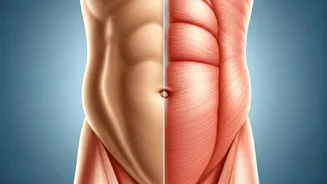
The pervasive nature of modern stress has a profound and enduring impact on metabolic functions. When the body remains in a perpetual state of 'fight or flight,' cortisol levels escalate and persist. This hormonal imbalance often manifests as fat accumulation, particularly around the abdominal area, and significantly disrupts how the body processes insulin. As cells become less sensitive to insulin's signals, the pancreas releases more, leading to elevated blood glucose, which the body then converts and stores as fat. This accumulated fat doesn't stay confined to visible areas; it can silently infiltrate the liver, impeding its operational capacity. Furthermore, a constant low-grade inflammatory state creates an environment conducive to the gradual worsening of liver conditions.
Dietary Pitfalls
Dietary choices play a critical role in the development of liver issues. The consistent consumption of processed foods, refined carbohydrates, and excessive added sugars can subtly push the body into a state of caloric surplus, placing a strain on its metabolic equilibrium. Fructose, a sugar prevalent in many sweetened beverages and packaged goods, is predominantly metabolized by the liver, thereby increasing its workload over time. When consumed in excess, it prompts the liver to convert more sugar into fat, which then begins to deposit within liver cells, contributing to steatosis.
Sedentary Lifestyle's Toll
A lifestyle characterized by minimal physical movement exacerbates these health challenges, often without our immediate awareness. When the body lacks sufficient activity, its efficiency in utilizing stored fats and ingested carbohydrates diminishes. This leads to gradual weight gain, promotes insulin resistance, and ultimately contributes to the formation of fatty deposits within the liver. The lack of movement creates a metabolic inertia that allows these unhealthy changes to take root and progress, further compromising liver function.
The Silent Nature of NAFLD
The most challenging aspect of NAFLD is its typically asymptomatic presentation in its early stages, making it a silent disease. Many individuals remain unaware they have this condition until it's incidentally discovered during routine medical check-ups. If left unaddressed, this initial steatosis can progress to Non-Alcoholic Steatohepatitis (NASH), characterized by inflammation and damage to liver cells. The disease trajectory can then advance through stages of fibrosis and cirrhosis, potentially leading to severe outcomes such as the need for a liver transplant.
Reversal and Prevention Strategies
The encouraging news is that NAFLD is often reversible, especially when detected early. Achieving this reversal primarily hinges on adopting consistent, healthier lifestyle habits. This includes focusing on balanced meals rich in whole grains, fresh fruits, vegetables, and lean protein sources, alongside regular physical activity. Small but impactful changes, such as incorporating stress-management techniques like mindfulness or yoga and ensuring adequate sleep, can significantly contribute to improving metabolic health and supporting liver function. Prioritizing these simple yet effective strategies can make a substantial difference in safeguarding liver well-being.
Monitoring and Early Detection
For individuals at a higher risk of developing NAFLD, such as those managing obesity, diabetes, or elevated cholesterol levels, consistent medical check-ups are paramount. Early detection is key to intervening before the condition escalates into more serious stages of liver damage. Regular screenings provide an opportunity to identify any signs of fatty liver disease and implement necessary lifestyle modifications promptly. Proactive health monitoring empowers individuals to take control of their well-being and protect their liver's long-term health.