






The Chai Revelation
A recent conversation brought to light actor Rajpal Yadav's rather extensive daily tea ritual. His wife, Radha Yadav, shared during a podcast that the beloved
actor consumes an astonishing 10 to 12 cups of tea every single day. She humorously noted that he often relies on this beverage to stave off hunger pangs and frequently expresses intentions to cut back, only to revert to his established habit. While this anecdote brought smiles and was met with relatability online, it also ignited a crucial dialogue about the physiological effects of consuming such a large volume of tea on a regular basis.
Digestive Woes & Acidity
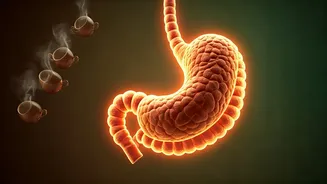
Consuming an excessive quantity of tea, particularly when done on an empty stomach, can significantly elevate your body's acidity levels. This can manifest as uncomfortable heartburn, a persistent feeling of nausea, and in more severe or prolonged cases, can contribute to the development of Gastroesophageal Reflux Disease (GERD). The stimulating properties of tea, when overdone, can disrupt the delicate balance of your digestive system, leading to discomfort and potentially more serious gastrointestinal issues that require medical attention.
Caffeine Overload Risks
Drinking as many as 10–12 cups of tea daily means a substantial influx of caffeine, easily surpassing the recommended safe daily intake of 400–500 mg. This excessive caffeine consumption can trigger a cascade of negative physiological responses, including heightened anxiety, persistent restlessness, noticeable irritability, and can even foster a sense of dependence on the stimulant. These symptoms can significantly impact one's daily functioning and overall mental well-being, making moderation key.
Kidney Stone Predicament
Tea contains compounds known as oxalates. While generally harmless in moderate amounts, a consistent and excessive intake of tea can lead to an accumulation of these oxalates within the body. Over an extended period, this buildup can contribute to the formation of kidney stones, a painful condition that can necessitate medical intervention. Therefore, individuals prone to kidney issues may want to be particularly mindful of their tea consumption.
Nutrient Absorption Hindrance
The tannins present in tea, while offering some health benefits, can also act as inhibitors for the absorption of crucial micronutrients. Specifically, tannins may interfere with the body's ability to absorb essential minerals like iron. Over time, this can lead to iron deficiencies, which can result in fatigue, weakness, and other related health complications. Ensuring a balanced diet and considering tea consumption around meal times can help mitigate this effect.
Hidden Calories & Sugar
For those who prefer their tea with milk and sugar, the seemingly innocent beverage can quickly become a significant source of unwanted calories and added sugar. Consuming multiple cups daily in this preparation can substantially increase your overall calorie and sugar intake, potentially leading to weight gain and negatively impacting metabolic health. Being aware of what goes into your chai is as important as the quantity you drink.