

The Meaningful Shift
The realm of interior design is undergoing a significant transformation, moving away from the austere principles of pure minimalism. As we approach 2026-27,
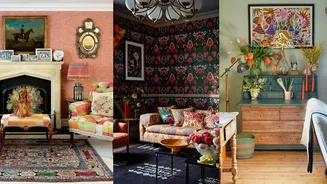
the focus is shifting towards creating living environments that resonate on a deeper, more personal level. Homeowners are increasingly prioritizing spaces that not only exhibit aesthetic appeal but also foster a sense of emotional connection and well-being. This evolution is characterized by an emphasis on elements that hold personal significance, such as cherished family heirlooms, artworks that speak to the soul, or materials with a rich backstory. The goal is to craft homes that serve as authentic reflections of their inhabitants' identities, values, and lifestyles, moving beyond transient trends to cultivate enduring comfort and personal expression.
Key Design Directions
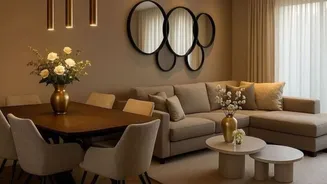
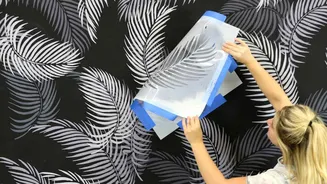
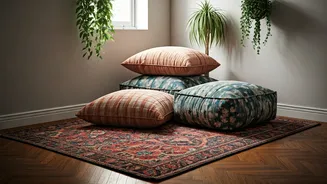
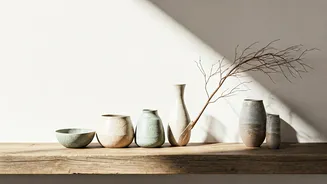
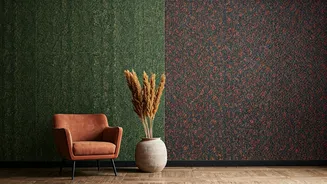
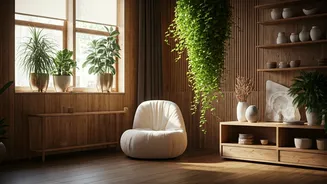
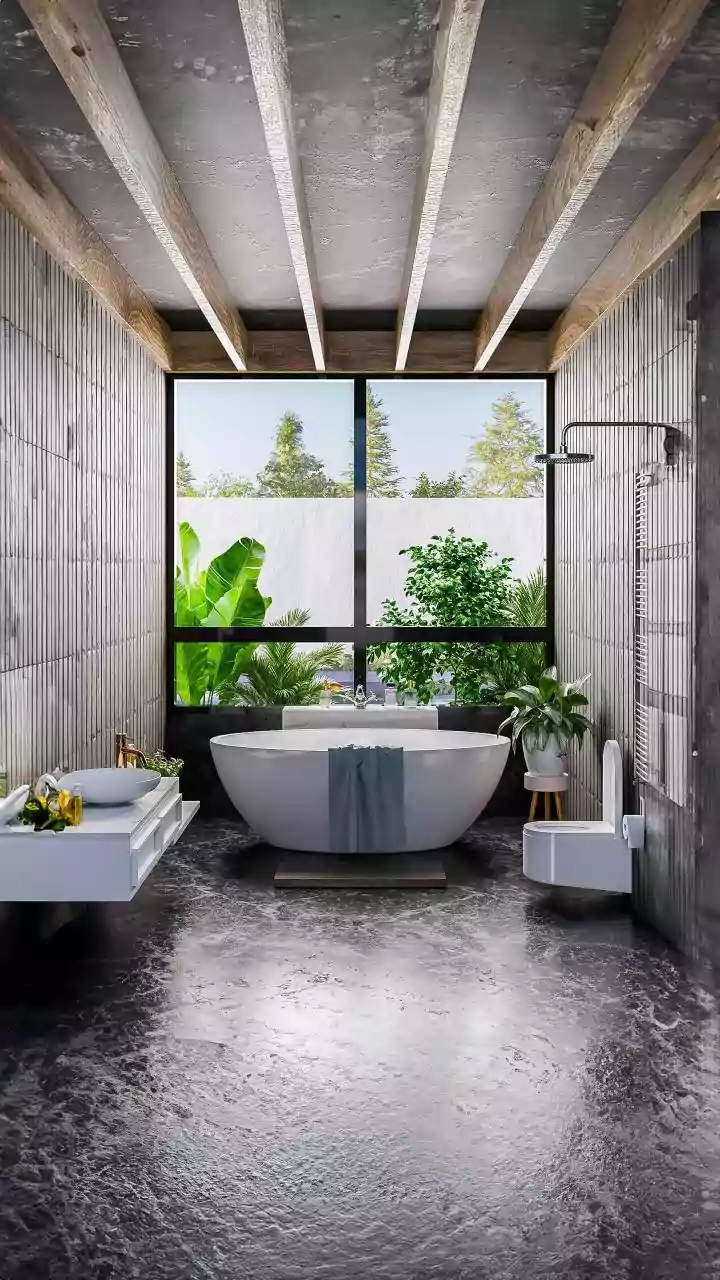
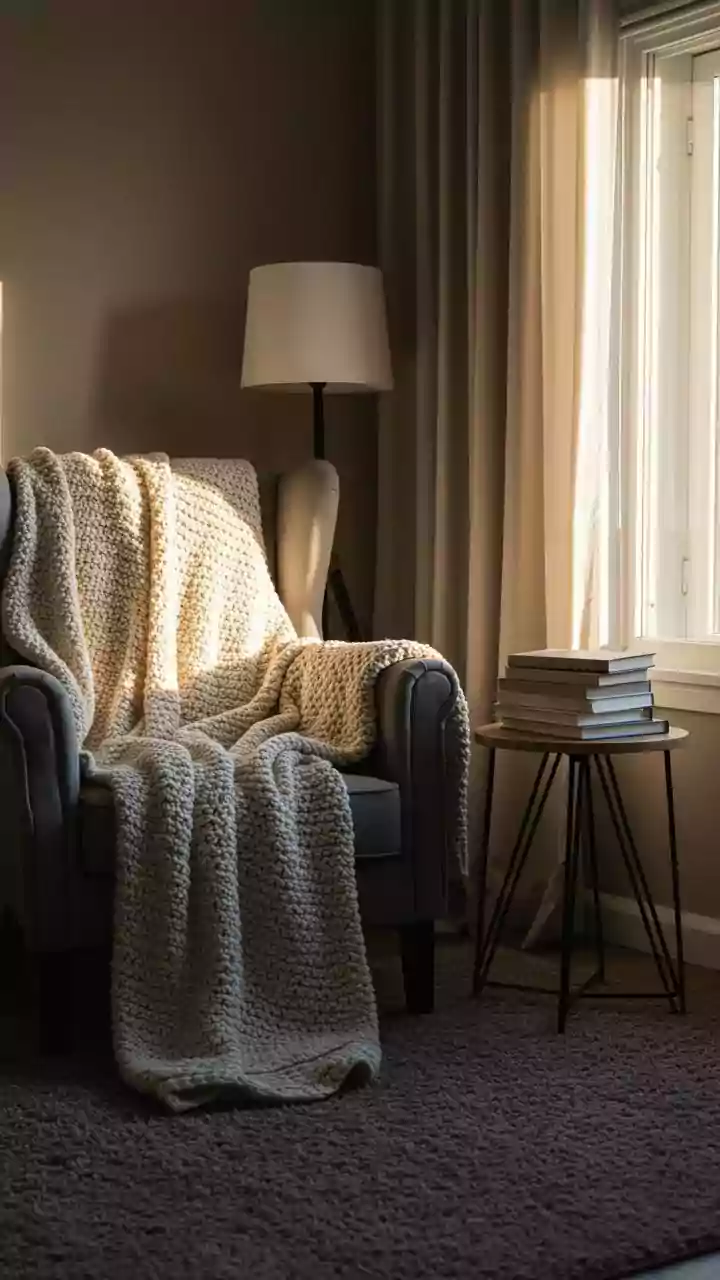
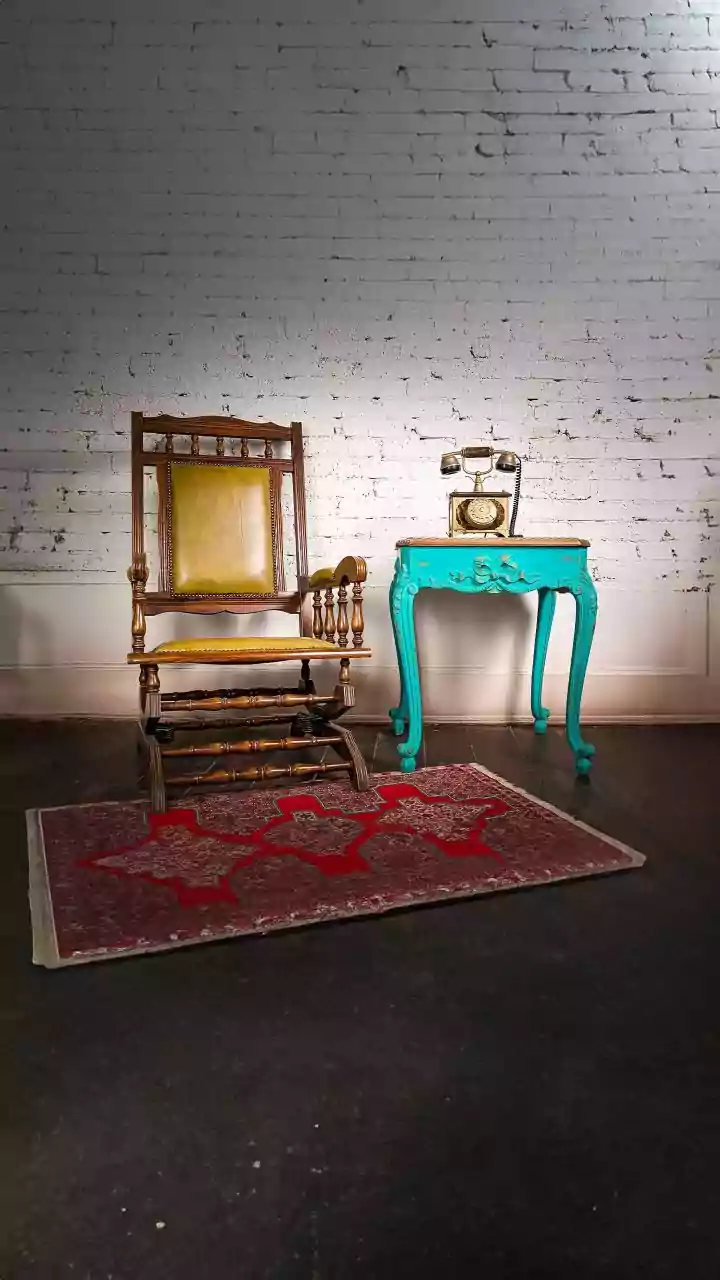
Several key trends are shaping this new era of meaningful design. Biophilic design, which integrates nature into living spaces through natural materials, abundant plant life, and organic forms, is gaining prominence, leveraging nature's proven ability to reduce stress and elevate moods. Simultaneously, a strong commitment to sustainability and ethical sourcing is driving consumer choices, favoring recycled materials, reclaimed wood, and products from transparent, responsible brands. Color palettes are becoming more expressive, layering rich earth tones, deep jewel shades, or bold accent walls over subtle neutrals to capture individual tastes. Homes are also becoming more adaptive, with multifunctional spaces and flexible furniture solutions catering to dynamic lifestyles. The appreciation for craftsmanship is returning, highlighting unique, artisanal, and handmade elements that impart character and individuality, contrasting with mass-produced items. Finally, comfort and coziness are making a comeback, with plush textiles, soft lighting, and inviting textures creating sanctuaries that feel warm and welcoming.
From 'Less' to 'More Meaningful'
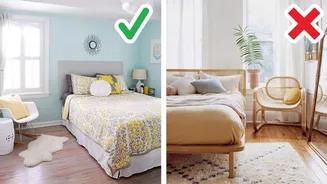
This paradigm shift signals a departure from the long-held notion that a sparse, uncluttered home inherently equates to a better living environment. Instead, the emphasis is now on thoughtfully curating spaces filled with objects that bring genuine joy, stir cherished memories, and contribute to a unique personal narrative. The objective is to cultivate a sanctuary that authentically embodies the dweller's identity and aspirations. As we navigate 2026-27, interior design will evolve from adhering to dictated aesthetics to the deliberate act of constructing a personal story within one's home. The priority is to design spaces that are not only visually pleasing but also profoundly resonant and supportive of overall well-being, fostering a deeper connection between people and their living environments.