






Choosing Your Hydro System
Embarking on your hydroponic fenugreek journey begins with selecting the right setup. For those new to soil-less gardening, the Deep Water Culture (DWC)
or Nutrient Film Technique (NFT) systems are highly recommended. These methods are efficient in delivering essential oxygen and nutrients directly to the plant's root systems, promoting robust growth. Regardless of the system chosen, ensuring your plants receive ample light is paramount. This can be achieved through a sunny windowsill or supplemented with artificial grow lights, which are crucial for photosynthesis and overall plant health, leading to vibrant and productive fenugreek plants.
Seed Prep & Feeding
The initial phase of growing fenugreek hydroponically involves careful preparation of both the seeds and the nutrient solution. To give your fenugreek seeds the best start, it's advisable to soak them in plain water for approximately six hours. This pre-soaking step significantly aids in triggering germination. Once you observe them beginning to sprout, you can transfer them to a moist paper towel. For optimal plant nutrition, it's crucial to use a hydroponic-specific fertilizer that contains a balanced blend of vital minerals like nitrogen, phosphorus, and potassium. Always adhere to the manufacturer's guidelines for mixing and dilution to prevent over-fertilization, which can harm your young plants.
Water & pH Management
Maintaining the correct water levels and pH is a cornerstone of successful hydroponic fenugreek cultivation. Your hydroponic system's water reservoir needs consistent attention; ensure the water level remains stable without significant fluctuations. Equally important is the water's pH balance, which should ideally be between 6.0 and 6.5 for fenugreek. This range is considered optimal for nutrient uptake by the plant's roots. To accurately monitor these parameters, utilize pH test strips or a digital pH meter. Should the pH drift outside the desired range, use commercially available pH adjusting solutions ('pH Up' or 'pH Down') to bring it back into the perfect zone, thereby fostering an ideal environment for your plants to thrive.
Harvesting Your Greens
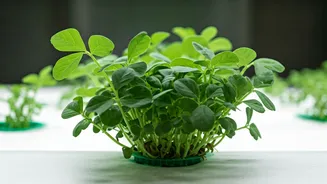
Anticipating the harvest of your home-grown fenugreek is an exciting part of the process. Typically, the young fenugreek leaves are ready for their first harvest about two weeks after you've planted the sprouted seeds, usually when the plants reach around three inches in height. To harvest, employ sharp scissors or garden shears to carefully snip the leaves from the base of each plant. It's important not to uproot the entire plant, as this method allows the plant to continue its growth cycle. By employing this technique, you can enjoy a continuous and readily available supply of fresh fenugreek leaves for your culinary creations.