





The Art of Spoon Crafting
African spoon carving is far more than just a method of creating utensils; it's a vibrant cultural practice deeply rooted in heritage and artistic expression.
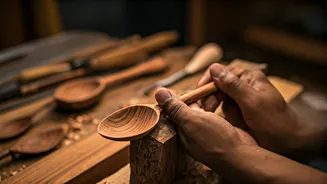
This traditional craft involves shaping wood into functional art using straightforward implements, thereby safeguarding and celebrating African artistry. Engaging with this skill allows individuals to not only appreciate the profound cultural narratives embedded within each carved spoon but also to foster their own unique creative voice and manual dexterity. It's a practice that connects the carver to generations past and provides a tangible link to ancestral traditions, turning a simple act of creation into a meaningful cultural dialogue. The process encourages mindfulness and patience, yielding pieces that are both practical and imbued with stories.
Choosing Your Wood
The foundation of any exceptional carved spoon lies in the selection of appropriate timber. For this craft, hardwoods like mahogany or teak are highly recommended due to their inherent strength and finely textured grain. These qualities make them amenable to detailed work, reducing the risk of splits or fractures during the carving process. Equally crucial is ensuring the wood has been properly seasoned. This drying process is vital to prevent any undesirable distortion or warping of the spoon's form as it’s being worked on or after completion. Selecting wood that is dense and stable will contribute significantly to the longevity and aesthetic appeal of the final carved object, making the carving experience more fluid and the resulting piece more robust.
Essential Carving Tools
Embarking on African spoon carving requires a foundational set of tools to effectively shape and refine the wood. A sharp carving knife is indispensable for outlining the basic form of the spoon and performing initial shaping cuts. Following this, a chisel proves invaluable for executing deeper incisions and crafting distinct grooves or edges on the wood's surface. The gouge plays a crucial role in hollowing out the concave bowl of the spoon, defining its functional capacity. Maintaining these tools in optimal sharpness and condition is paramount; well-maintained implements not only ensure precision in every cut but also contribute to a safer and more comfortable carving experience, allowing the artist to focus on the creative aspects of the work.
Crafting Intricate Designs
To elevate spoon carvings from mere functional items to works of art, mastering specific decorative techniques is key. Incising involves making controlled, shallow cuts across the wood's surface to engrave patterns, textures, or symbolic motifs. Burnishing is a finishing technique used to achieve a smooth, polished surface by rubbing the wood with a hard, smooth object like a stone or a piece of bone, effectively closing the wood's pores and creating a subtle sheen. Finally, polishing the completed carving with natural oils not only enhances the wood's inherent beauty and grain patterns but also provides a protective layer against moisture and wear. These techniques collectively allow for the creation of spoons with both aesthetic depth and a tactile richness.
Understanding Cultural Threads
Delving into the cultural context of African spoon carving enriches the appreciation of this ancient art form immeasurably. Many of the decorative motifs and stylistic choices found on these spoons carry deep symbolic meanings or are visual representations of stories and proverbs passed down through oral traditions. To truly grasp this significance, it's beneficial to engage with contemporary artisans practicing this craft or to study historical examples of carved spoons. Such interactions and research offer profound insights into the cultural heritage and the narrative power embedded within each piece, transforming the act of carving or owning a spoon into a connection with a living cultural legacy and fostering a deeper respect for the artistry involved.