




Paratha's Role in Diet
Parathas, a beloved staple in many Indian kitchens, are often misconstrued as universally unhealthy. This perception, however, is a myth. When prepared
thoughtfully with wholesome ingredients like whole wheat flour and nutritious fillings, parathas can be a powerhouse of nutrients. They offer a satisfying experience, keeping you feeling full for extended periods, which is a significant advantage for anyone managing their weight. The key lies in understanding that a paratha is a composite dish, blending the goodness of wheat with vegetables or protein-rich fillings. By making conscious choices about ingredients and cooking methods, parathas can transition from a potential weight-loss hurdle to a beneficial component of a balanced diet, aiding in both satiety and digestion.
Gobhi vs. Paneer: The Verdict
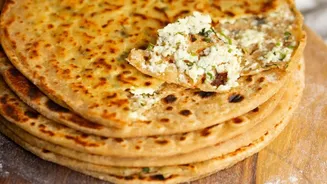
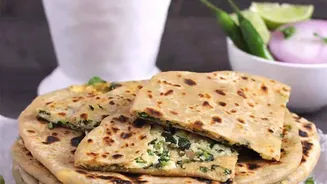
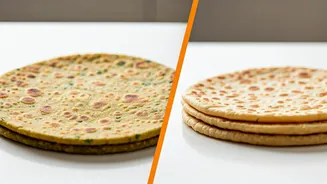
When the choice falls between Gobhi (cauliflower) and Paneer (Indian cottage cheese) paratha for weight management, the decision hinges on individual nutritional needs and body response. Gobhi paratha generally sits lighter on the digestive system, typically ranging from 180 to 220 calories. Its primary advantage is its high fiber content, promoting better digestion and a feeling of fullness. However, it tends to be lower in protein, which might lead to hunger sooner. In contrast, Paneer paratha, while slightly higher in calories (250-300), offers a substantial protein and healthy fat component. This protein richness aids in sustained satiety, effectively curbing cravings and supporting appetite control. The ultimate effectiveness isn't solely about the calorie count but rather how your body metabolizes the meal, emphasizing the importance of portion control and timing for optimal results.
Why Gobhi Paratha Excels
Gobhi paratha emerges as a compelling option for those focused on weight reduction due to several inherent advantages. Cauliflower itself is a low-calorie, low-carbohydrate vegetable, contributing to a lighter overall paratha. The abundance of dietary fiber is a significant contributor to its weight-loss friendly profile; it ensures robust digestive health, alleviates bloating, and enhances the feeling of fullness without adding excessive calories. Furthermore, cauliflower boasts a high water content, which also plays a role in promoting satiety. This combination makes it an excellent choice for morning meals or lighter evening meals, providing sustained energy without feeling heavy or sluggish. Its nutritional makeup supports a feeling of well-being and sustained energy release.
Optimal Times for Gobhi
Incorporating Gobhi paratha into your diet at the right moments can amplify its benefits for weight management. For breakfast, it serves as an excellent way to kick-start your digestive system and provide a steady stream of energy for the day ahead. If you engage in physical activity, a Gobhi paratha can be a satisfying pre-workout meal, offering carbohydrates for fuel without being overly heavy. It's also a suitable choice for an early dinner, particularly on evenings when you desire a light yet fulfilling meal. However, it's generally advised to avoid consuming high-fiber foods like Gobhi paratha late at night, as it might disrupt digestion for individuals with sensitive systems.
Paneer Paratha's Power
Paneer paratha plays a crucial role in supporting weight loss objectives, primarily through its rich protein content. Protein is fundamental for maintaining muscle mass, which is particularly vital during a weight loss journey, especially if you are actively engaged in strength training or regular physical activity. The high protein level in paneer paratha also significantly contributes to satiety, helping you feel full for several hours, thus reducing the likelihood of unhealthy snacking. It also plays a role in balancing hunger hormones, effectively curbing appetite and preventing overeating. This makes it an ideal choice for sustained energy throughout long mornings, avoiding the energy dips often associated with high-sugar meals.
When to Savor Paneer
The strategic consumption of Paneer paratha can enhance its contribution to a weight loss plan. It serves as an excellent breakfast option, especially on days requiring sustained energy for extended periods, providing a robust start to your day. Post-workout is another opportune time, as the protein content aids in muscle repair and recovery after physical exertion. For lunch, a Paneer paratha can offer a more filling meal that effectively curbs hunger pangs throughout the afternoon, preventing the need for calorie-laden snacks. However, it is generally recommended to steer clear of Paneer paratha for late-night dinners. The high protein and fat content require a longer digestion period, which might not be ideal before resting.
Smart Paratha Preparation
Transforming any paratha into a weight-loss friendly meal hinges on smart preparation techniques. Always opt for whole wheat flour (atta) and strictly avoid refined flour (maida), as whole wheat offers superior fiber content. If preparing paneer at home, it helps control sodium levels, contributing to a healthier dish. Cook your parathas using just 1-2 teaspoons of oil, avoiding excessive ghee or oil that significantly increases calorie count. Forgoing butter toppings further slashes unnecessary calories. Complementing your paratha with low-fat curd or a fresh mint-coriander chutney not only enhances flavor but also aids digestion. By adhering to these simple yet effective tips, parathas can be a wholesome and calorie-controlled meal.