






DIY Bird Feeder Magic
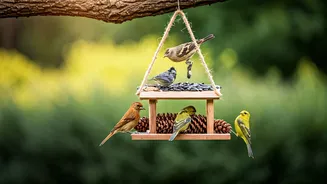
Sparking an early interest in avian life can be as simple as crafting a backyard bird feeder. This hands-on project teaches children the joy of attracting
feathered visitors by using readily available materials like pine cones, a spread of peanut butter, and a generous coating of birdseed. As they patiently await the arrival of various species, kids gain an understanding of bird dietary preferences and the art of quiet anticipation. The process of building and then observing is a wonderful blend of creation and patience, offering a direct connection to the natural world right outside their window.
Nurturing Nature Journals
Encourage your child to become a keen observer by starting a birdwatching journal. This activity significantly sharpens their observational talents and nurtures patience as they meticulously record details of each bird they encounter. From noting down the distinct plumage colors and sizes to documenting observed behaviors, children learn to focus on the subtle nuances of wildlife. This practice fosters a profound sense of mindfulness, enabling them to identify recurring patterns and appreciate the intricate details that often go unnoticed, all while waiting for the next delightful sighting.
Citizen Science Counts
Involving children in a local bird count offers a fantastic gateway into citizen science and collective environmental efforts. These organized events often call upon volunteers to meticulously tally different bird species within designated areas over a specific timeframe. Participation not only educates kids about diverse avian populations but also instills a deep sense of patience as they quietly wait for birds to reveal themselves during the counting periods. It's an engaging way to contribute to scientific understanding while practicing the virtue of waiting.
Building Cozy Homes
Collaborating on building a birdhouse is an enriching project that beautifully marries creativity with the virtue of patience. Under careful adult supervision, children can actively participate in the design and construction phases, using safe and appropriate materials. Once these charming abodes are strategically placed in suitable garden locations, they become inviting spaces for nesting birds. This provides children with a prolonged opportunity to observe wildlife and its natural behaviors without the risk of disturbing their delicate routines, reinforcing the value of quiet observation.
Exploring Habitats
Venturing on nature walks through varied environments, such as lush forests or tranquil wetlands, presents numerous opportunities to spot a wide array of bird species. Regular explorations of these diverse ecosystems deepen children's understanding of ecological relationships. More importantly, these outings cultivate patience as youngsters learn to wait quietly and attentively for birds to appear naturally within their respective habitats, observing them in their undisturbed, everyday lives and appreciating the environment that sustains them.