



Dhokla: The Iconic Snack
Dhokla, a beloved Gujarati snack, holds a special place in the hearts of many. This steamed, fermented cake is typically made from a batter of gram flour,
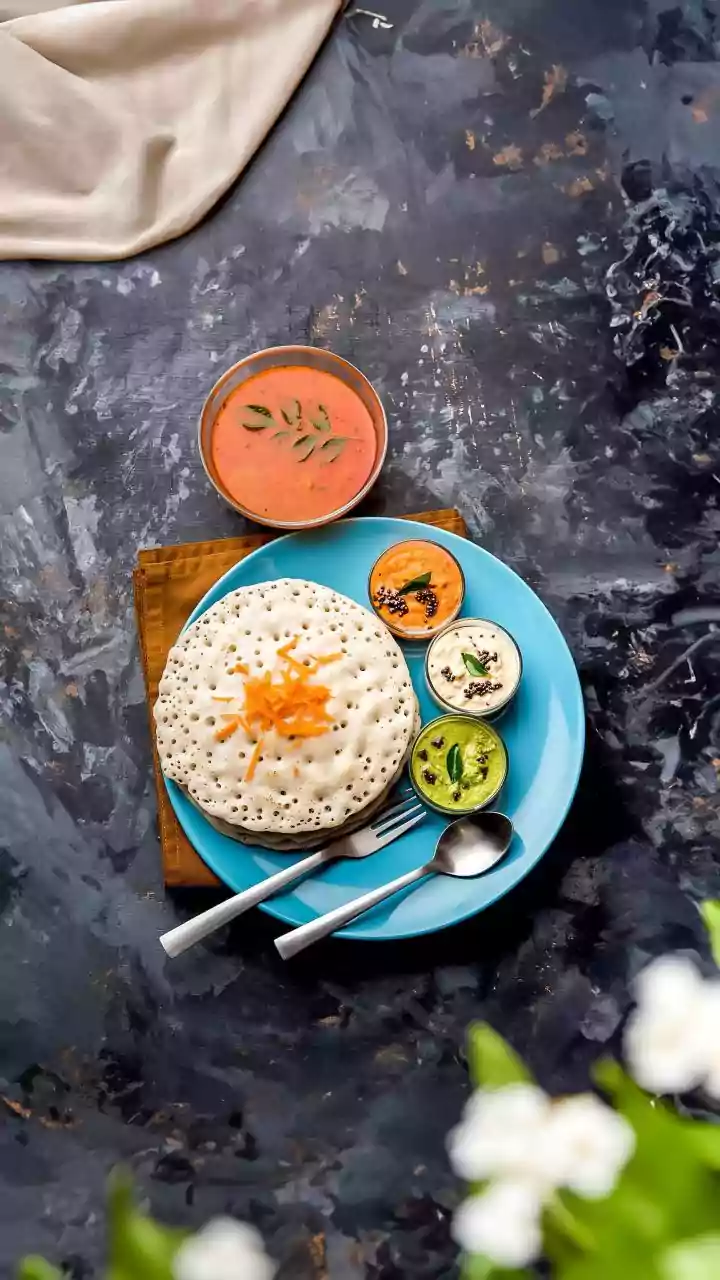
rice, and spices. The fermentation process gives dhokla its light, fluffy texture, and the tempering of mustard seeds, curry leaves, and green chilies adds a delightful burst of flavor. This dish is usually served with a side of chutney, which provides a sweet and tangy contrast. Its versatility allows for variations, with some recipes incorporating different lentils or vegetables. Dhokla’s widespread appeal stems from its simplicity, taste and it being a light and healthy snack. Making it a popular choice for breakfast, snacks, or even a light meal. The variations, from Khatta Dhokla to Rava Dhokla, ensure there is a dhokla for every palate, making it a true Gujarati staple.
Thepla: A Flatbread Favorite
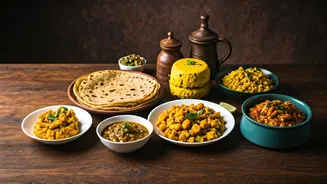
Thepla is a flavorful, thin flatbread that is a staple in Gujarati households. It is typically made from wheat flour, gram flour, and spices like turmeric, chili powder, and fenugreek leaves, which give it a distinct taste. Thepla is often enjoyed for breakfast, lunch, or even as a snack, and it's perfect for travel because it stays fresh for several days. Various versions exist, including methi thepla (with fenugreek) and plain thepla. The cooking process often involves lightly frying it in oil or ghee, giving it a soft, slightly crispy texture. Thepla is often eaten with yogurt, pickles, or a variety of curries. Its versatility and portability make it a favorite for both everyday meals and special occasions.
Undhiyu: A Winter Specialty
Undhiyu is a mixed vegetable dish, traditionally cooked upside down in earthen pots, which is where its name comes from. The dish typically features a medley of vegetables like eggplant, potatoes, beans, and green peas, which are combined with a blend of spices, herbs, and homemade masala. The slow cooking process allows the flavors to meld together, resulting in a rich and aromatic taste. It is especially popular during the winter season and is often served with hot puri and jalebi. This dish is a celebration of seasonal vegetables, and its preparation often involves a communal effort, making it a festive meal that brings people together. Its complex blend of flavors and textures makes it a truly unique and cherished Gujarati dish.
Khandvi: The Rolled Delight
Khandvi is a savory snack, made from a batter of gram flour and buttermilk, that is rolled into small, bite-sized pieces. The batter is cooked to a thick consistency and then spread thinly before being rolled. It is then garnished with mustard seeds, sesame seeds, and fresh coriander leaves, adding a textural contrast and a burst of flavor. Khandvi is often served as an appetizer or snack, and its delicate texture and light taste make it a delightful treat. Making Khandvi requires patience and precision, as the batter needs to be cooked to the right consistency. It is a visually appealing dish and its delicate taste is a hit, making it a popular choice for festive occasions and casual gatherings. This snack’s simplicity belies its deliciousness, showcasing the artistry of Gujarati cuisine.
Gujarati Kadhi: A Tangy Soup
Gujarati Kadhi is a tangy and flavorful soup made from yogurt and gram flour, tempered with spices. The yogurt provides a refreshing sourness, while the gram flour adds thickness to the broth. Spices like cumin seeds, mustard seeds, and curry leaves provide an aromatic depth. Kadhi is a comfort food and is often enjoyed with rice and roti. This dish is easy to prepare and can be customized to one’s taste preferences by adjusting the amount of spices or adding vegetables. Gujarati Kadhi's simplicity and deliciousness makes it a popular choice for everyday meals. Its light consistency and refreshing taste make it suitable for any weather and loved across the region.
Handvo: Savory Vegetable Cake
Handvo is a savory cake made from a batter of lentils, rice, and vegetables, often including bottle gourd, carrots, and other seasonal ingredients. The batter is fermented overnight, which gives it a slightly tangy taste and helps it to rise. It is then cooked on a griddle or baked in the oven until golden brown and crispy. Handvo is a filling and nutritious dish, packed with vegetables and flavor. The variety of vegetables used makes it a flexible recipe. Handvo is typically served with chutney or yogurt. It is a hearty meal that is perfect for any time of the day. The cooking method and ingredients blend seamlessly, making it a flavorful and wholesome meal.
Dal Dhokli: A One-Pot Wonder
Dal Dhokli is a wholesome, one-pot meal that combines the goodness of dal (lentils) with dhokli (wheat flour dumplings). The dish typically involves cooking the lentils with spices, and then adding small, handmade dhokli pieces that simmer and absorb the flavors of the dal. The result is a hearty and satisfying dish that's both flavorful and nutritious. This dish is a great way to enjoy a balanced meal and is particularly popular during cooler months. The process is easy, combining a simple dal with the addition of wheat flour dumplings. Dal Dhokli is a testament to the resourcefulness of Gujarati cuisine, which emphasizes using simple ingredients to create flavorful and nourishing dishes.
Sev Tameta Nu Shaak: Tomato Delight
Sev Tameta Nu Shaak is a flavorful and tangy tomato-based vegetable dish, garnished with sev. The dish features tomatoes as the main ingredient, along with onions, spices, and a generous topping of sev, which provides a crispy texture and a savory taste. The sev absorbs the flavorful gravy, creating a wonderful combination of textures and flavors. Sev Tameta Nu Shaak is commonly served with roti or rice and is a quick and easy dish that can be prepared in under an hour. This dish is a perfect example of Gujarati cuisine's use of simple ingredients to create a delicious and satisfying meal. The contrasting textures of the soft tomatoes and the crispy sev create a delightful experience.
Basundi: A Sweet Treat
Basundi is a rich and creamy dessert, made by simmering milk until it thickens and reduces, and then adding sugar, cardamom, and nuts. This slow cooking process intensifies the milk's flavor and creates a thick, velvety texture. Basundi is often served chilled, and its creamy sweetness makes it a perfect dessert for any occasion. It is a labor of love, requiring patience and attention during the simmering process, which allows the milk to develop a caramelized flavor. The addition of nuts like almonds and pistachios adds a delightful crunch. Basundi is a celebration of milk and its simple ingredients offer a rich and flavorful experience. Enjoy it as a dessert or a special treat, offering a perfect end to a Gujarati meal.