


Reaching Vembanad Lake
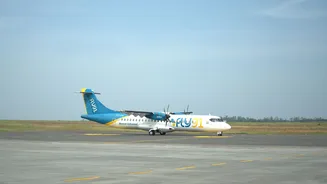
Reaching Vembanad Lake is a journey through Kerala's scenic landscapes, offering multiple convenient options. For air travelers, Cochin International Airport
(COK) is the closest, approximately 74–77 km north, from where taxis or cabs provide a 1.5 to 2-hour drive to the Kumarakom or Alappuzha shores via NH 544. Rail passengers can alight at Kottayam Railway Station, situated 15–16 km east of the lake, and then opt for a taxi, auto-rickshaw, or local bus for a 30–45 minute trip along the Kottayam-Kumarakom Road. Those relying on bus services will find KSRTC buses from major cities like Kochi, Trivandrum, or Bangalore stopping at Kottayam or Kumarakom Bus Stand, with frequent connections to the lake's jetties. Road travelers and self-drivers will appreciate the excellent connectivity via SH-42; from Kochi, it's a 50–70 km journey following NH 544 towards Alappuzha or Kottayam, with taxis, app-based cabs like Ola and Uber, and rental services readily available for flexible access. For a truly immersive experience, consider embarking on a houseboat cruise directly from the Alappuzha jetty, offering a unique way to reach and explore Vembanad's backwaters, with options to connect from Kochi via ferries or organized tours.
Exploring Nearby Gems
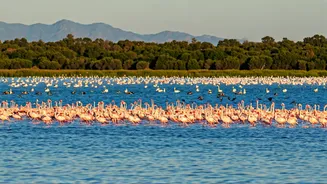
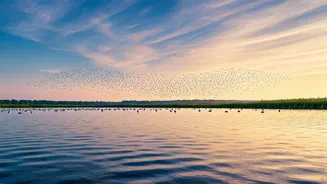
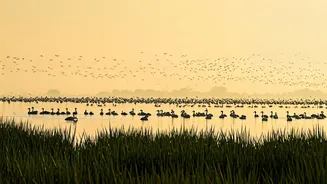
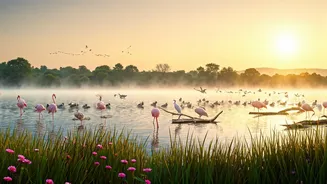
Vembanad Lake is surrounded by captivating destinations, each offering a unique glimpse into Kerala's charm. The Kumarakom Bird Sanctuary, just 0–1.5 km away, is a 14-hectare haven on the lake's eastern edge, renowned for its diverse avian population, including migratory Siberian storks, egrets, herons, and local kingfishers amidst dense mangroves and intricate canal systems; dawn birdwatching here is an unforgettable experience. Further south, approximately 6–10 km away, lies the Thanneermukkom Bund, an impressive 1.25 km long mud regulator, the longest in India. This engineering marvel skillfully prevents saline tidal water from entering the Kuttanad region's paddy fields, effectively dividing the lake into brackish northern and freshwater southern sections, offering spectacular views and insights into water management. A short distance east, 1–4 km from the lake, is Kumarakom Village, a quintessential backwater hamlet characterized by swaying coconut groves, canalside homes, and verdant paddy fields; here, visitors can witness toddy tapping, discover local crafts, and indulge in fresh seafood, providing an authentic rural immersion. For a blend of coastal and backwater experiences, Alappuzha Beach and its surrounding backwaters, located 25–30 km south, offer golden sands, a historic lighthouse, seafood eateries, and bustling jetties from which houseboats embark, harmoniously merging sea breezes with serene waterways.
Understanding Vembanad Lake
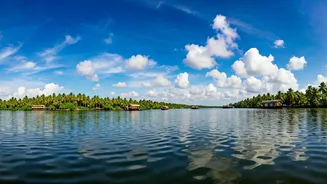
Vembanad Lake stands as Kerala's premier natural wonder and India's longest lake, stretching an impressive 96.5 kilometers. It forms the country's largest wetland system, covering over 2,033 square kilometers, and is a vital ecosystem that supports numerous communities. Fed by ten rivers, including the Periyar, Pamba, and Meenachil, its waters transition from brackish to fresh, creating a rich aquatic environment teeming with diverse flora and fauna. This Ramsar site, bordered by protective mangroves and productive paddy fields, is a pulsating hub of life, from countless fish species to a vibrant array of birdlife, embodying the quintessential spirit of the Kerala backwaters. The lake spans across the low-lying coastal plains of central Kerala, primarily encompassing the Alappuzha, Kottayam, and Ernakulam districts at sea level. A protective barrier island shields it from the Arabian Sea, and it connects to other coastal lakes through a network of canals. Its varying names, such as Punnamada Lake near Alappuzha and Kochi Lake by Ernakulam, reflect its vast geographical reach and local significance. Easily accessible from Kochi, the lake's shores are dotted with popular destinations like Kumarakom and Thaneermukkom.
Unique Vembanad Attractions
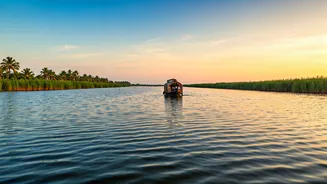
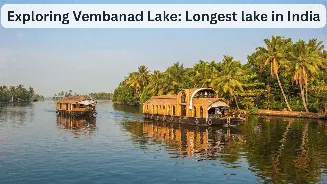
Vembanad Lake boasts several distinct attractions that contribute to its unique allure. The Thanneermukkom salt water barrage, an engineering feat spanning 1,252 meters, is India’s largest mud regulator. Its purpose is to prevent saltwater intrusion into the Kuttanad farmlands, effectively dividing the lake and ensuring fertile ground for year-round paddy cultivation, a critical component of the Kuttanad Development Scheme. Another iconic event is the Nehru Trophy Boat Race, held annually on the second Saturday of August on Punnamada Lake. This electrifying spectacle features snake boats, or 'chundan vallams', powered by over 100 oarsmen racing over 1.4 kilometers, drawing massive crowds and celebrating Kerala's rich rowing heritage. The Kumarakom Bird Sanctuary, situated on the lake's eastern edge over 14 acres, is a paradise for birdwatchers. It shelters numerous species, including migratory Siberian storks, egrets, and herons, alongside local birds like cuckoos and woodpeckers, offering serene trails for observation. Pathiramanal Island, a lush 10-acre isle accessible only by boat, is another serene spot, rich with rare migratory birds and butterflies, ideal for peaceful exploration. Finally, the ubiquitous houseboat cruises offer an unparalleled way to experience Vembanad, transforming traditional rice barges into comfortable floating accommodations that glide through picturesque canals, providing an immersive journey into the heart of the backwaters.
Best Time to Visit
The ideal time to experience the magic of Vembanad Lake largely depends on your priorities. For the most pleasant weather, the peak season from October to March offers temperatures ranging from 18–32°C, minimal rainfall, and clear skies, perfect for leisurely houseboat cruises and sightseeing. This period also coincides with the arrival of migratory birds at Kumarakom and post-Onam festive activities. Birdwatching enthusiasts will find November to February particularly rewarding, with cool, dry conditions enhancing the visibility of species like Siberian storks and egrets, while low humidity makes backwater explorations more comfortable and sunsets more vivid. If you're drawn to the adrenaline of traditional sports, August is the month to visit for the Nehru Trophy Boat Race, though be prepared for larger crowds and book accommodations in advance. For a more tranquil and budget-friendly experience, the moderate seasons of April to May or September offer pleasant breezes and lush, post-monsoon greenery, with fewer tourists. The monsoon months from June to August, while characterized by dramatic rains and revitalized landscapes, are considered the low season; while boating might have occasional pauses and mosquito activity increases, it's suitable for those seeking a unique, rain-kissed rural ambiance and offbeat travel experiences, provided you pack insect repellent.