





Understanding Parkinson's
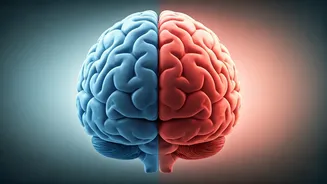
Parkinson's disease, a progressive neurodegenerative condition, primarily impacts motor functions due to the depletion of dopamine-producing neurons. Diagnosis
relies on medical history and neurological examinations rather than specific tests. Key motor symptoms include muscle rigidity, resting tremors, slowed movements, and balance issues. Beyond these, non-motor manifestations can involve emotional shifts like anxiety and depression, sleep disturbances, loss of smell, and vocal changes. In India, it's a growing concern, affecting an estimated five to seven lakh individuals, representing about a tenth of the global patient population. Contributing factors are believed to include genetic predispositions and environmental influences, such as exposure to pesticides. Ayurveda identifies this condition as 'Kampavata,' attributing it to an imbalance in Vata Dosha, which governs the nervous system's intricate workings. Ayurvedic interventions aim to alleviate these distressing symptoms through a multifaceted approach.
Ayurvedic Dietary Wisdom
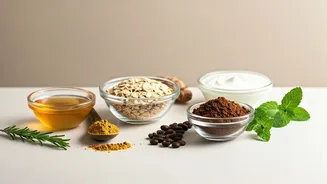
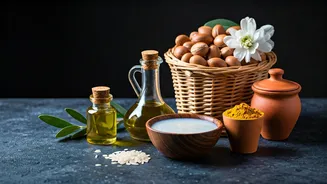
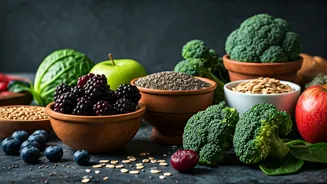
To effectively manage Parkinson's symptoms from an Ayurvedic perspective, the focus is on pacifying Vata Dosha through diet. This translates to consuming warm, easily digestible, and nutrient-dense foods that possess anti-inflammatory and antioxidant qualities. Incorporating whole grains such as barley, rice, and wheat is highly recommended. Fruits like amla, grapes, jackfruit, pomegranates, and berries should be part of the daily intake, alongside vegetables like leafy greens and drumsticks. Healthy fats and oils, including ghee and sesame oil, are beneficial, as are protein sources like nuts. Staying well-hydrated is crucial, with plenty of water, coconut water, and herbal beverages encouraged. Conversely, it's advisable to limit processed foods, high-protein meals, dairy products, and raw or cold items, as these can exacerbate Vata imbalances and potentially worsen symptoms.
Potent Herbal Allies
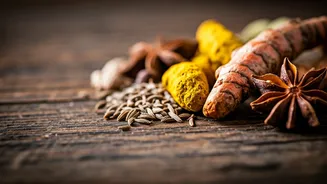
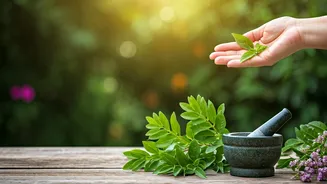
Ayurveda harnesses the power of various herbs to support neurological health and mitigate Parkinson's symptoms. Ashwagandha, renowned for its adaptogenic and neuroprotective properties, is particularly helpful in reducing stress, easing muscle rigidity, and promoting nerve health. Guduchi offers significant anti-inflammatory and antioxidant benefits, playing a role in protecting nerve cells from damage. Brahmi acts as a nerve stimulant, enhancing cognitive functions and mental clarity. Turmeric, with its potent anti-inflammatory and antioxidant compounds, contributes to overall brain health. Ginger is beneficial for digestive well-being and helps in balancing Vata Dosha, while garlic, rich in antioxidants, aids in combating oxidative stress that can harm neurons.
Therapeutic Practices
Beyond diet and herbs, specific Ayurvedic therapies offer profound benefits for individuals with Parkinson's. Regular oil body massages, known as Abhyanga, are excellent for calming the nervous system, strengthening muscles, and relieving stiffness. Head oil massages are particularly effective in addressing Vata Dosha imbalances that affect the brain. Panchakarma, a set of purification therapies, includes techniques like Nasya (nasal administration of medicated oils) and Virechana (therapeutic purgation). Nasya therapy helps fortify the nervous system, while Virechana assists in eliminating toxins and rectifying Vata imbalances, thereby contributing to overall well-being and symptom management.
Lifestyle for Balance
Cultivating a balanced lifestyle is paramount in managing Parkinson's according to Ayurvedic principles. Gentle exercises such as Yoga and Pranayama are vital for maintaining flexibility, improving balance, and enhancing motor control. Activities like walking and swimming also contribute positively to motor function and mobility. Incorporating meditation into the daily routine aids in de-stressing the mind, promoting emotional resilience, and fostering a sense of calm. Ensuring adequate and consistent healthy sleep patterns is equally important for allowing the body and mind to relax and rejuvenate, thereby supporting the management of the condition and improving overall quality of life.