





Symbolic Geometric Language
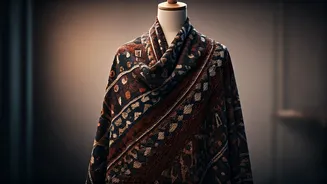
African mud cloth, known as Bogolanfini, is distinguished by its striking geometric designs and deeply embedded symbolic meanings, each telling a unique
story. The traditional dyeing process involves using fermented mud, which imparts a distinctive earthy texture and a palette of rich, muted tones. Understanding the cultural resonance behind each symbol is crucial for designers aiming to imbue their creations with authentic narrative depth. By carefully incorporating these ancestral visual languages, contemporary textiles can transcend mere aesthetics, forging a profound connection with consumers and paying homage to the enduring legacy of African artistry. This approach transforms fabrics into canvases that echo history and cultural narratives, offering more than just visual appeal but a tangible link to heritage.
Modernizing Traditional Art
Integrating the timeless allure of mud cloth into modern fabric production involves a skillful interplay between age-old artisanal methods and cutting-edge technology. Digital printing offers a remarkable avenue for precisely replicating the intricate details and complex patterns of mud cloth onto a diverse array of materials, ensuring fidelity to the original artistry while enabling efficient, large-scale manufacturing. Furthermore, exploring a variety of fabric bases, such as breathable cottons or elegant linens, allows these classic motifs to be reimagined and presented in fresh, contemporary contexts. This fusion of traditional design principles with contemporary fabrication techniques ensures that the essence of mud cloth is preserved and celebrated in the fashion landscape of today.
Earthy Tones & Vibrant Hues
Historically, mud cloth crafting relied on natural dyes, yielding characteristic earthy tones of brown, black, and white that define its rustic charm. For contemporary applications, these traditional hues can serve as a foundational palette, which designers can then enhance with vibrant colors inspired by the broader spectrum of African art and culture. The objective is to strike a harmonious balance, creating color combinations that resonate with current market preferences while faithfully retaining the intrinsic spirit of traditional mud cloth. This thoughtful approach allows for the creation of visually dynamic textiles that are both fashionable and culturally authentic, appealing to a global audience.
Sustainable & Ethical Creation
In today's world, the integration of sustainable practices into the creation of mud cloth-inspired fabrics is paramount, particularly for ethically conscious consumers. The adoption of organic materials and environmentally friendly dyeing agents significantly reduces the ecological footprint of textile production. Beyond environmental benefits, these responsible methods also enhance the perceived value of the final product. By embracing sustainable manufacturing processes, designers can effectively tap into a growing market segment that prioritizes ethical fashion choices. This commitment to sustainability ensures that style and quality are not compromised, making way for a more conscientious and aesthetically pleasing textile industry.