




Choosing Your Fabric
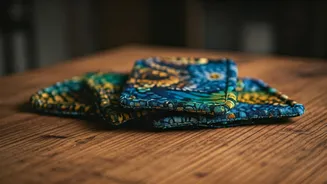
Embarking on this creative journey begins with selecting the ideal materials to craft your African fabric coasters. For longevity and excellent absorbency,
opt for natural fibers like cotton or linen. These materials not only stand up to frequent use but also effectively manage condensation. To truly capture the spirit of African artistry, choose fabrics adorned with bold, culturally rich patterns. Before you begin cutting, ensure your chosen fabric pieces are impeccably clean and free from any tears or significant wear. This preparatory step guarantees a professional finish and ensures your finished coasters are both beautiful and durable, ready to grace your tabletops.
Fabric Preparation Steps
Once you've selected your vibrant African textiles, the next crucial step involves preparing them for assembly. Begin by accurately cutting your fabric into uniform shapes, typically four-inch squares or circles, to ensure a consistent size for all your coasters. Smooth out any creases by ironing the fabric pieces thoroughly; this makes the subsequent sewing process much smoother and results in neater edges. If the edges of your fabric are prone to fraying, a quick zigzag stitch along the raw edges using a sewing machine will effectively prevent further unraveling, preserving the integrity of your design and creating a more polished look for your handmade coasters.
Coaster Assembly Technique
The assembly phase is where your fabric pieces begin to take shape as coasters. Take two prepared fabric pieces and place them right sides together. Carefully stitch around the perimeter using a straight stitch, but remember to leave a small gap on one side. This opening is your gateway to turning the coaster right-side out, which cleverly hides the seams inside for a clean, finished appearance. After turning, a quick press with an iron can help set the shape. Finally, neatly close the small opening using a few discreet hand stitches, completing the main body of your unique African fabric coaster.
Adding Durable Backing
To enhance the longevity and functionality of your handcrafted coasters, incorporating a protective backing is a vital step. Cut pieces of felt or cork sheets to be slightly smaller than the fabric dimensions of your coaster. These materials provide a stable base and protect your furniture from moisture rings and scratches. You can firmly attach the backing using a reliable fabric glue, ensuring it adheres securely all around the edges. For added robustness and a truly professional finish, consider sewing the backing onto the fabric base. This crucial addition not only extends the life of your coasters but also elevates their quality and protective capabilities.