



Nutritional Riches
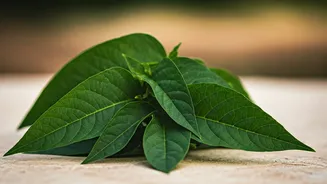
African jute leaves, affectionately known as molokhia, are a treasure trove of essential vitamins and minerals. They stand out as a remarkable source of Vitamin
A, crucial for vision and immune function, and Vitamin C, a powerful antioxidant that supports skin health and aids in iron absorption. Furthermore, these vibrant leaves offer a substantial amount of calcium, vital for maintaining strong bones and teeth. The presence of iron is particularly noteworthy, as it plays a key role in the production of red blood cells, helping to prevent iron-deficiency anemia and ensuring efficient oxygen transport throughout the body. This potent combination of nutrients makes jute leaves a valuable addition to any health-conscious diet, contributing to overall well-being and vitality.
African Culinary Tapestry
Across the diverse culinary landscape of Africa, jute leaves are a celebrated ingredient, woven into the fabric of many traditional dishes. Their unique texture, which can be slightly mucilaginous when cooked, lends a distinct character to soups and stews, enriching their consistency and flavor profile. In various regions, these leaves are ingeniously employed as a wrapper for other ingredients, imparting a subtle earthy taste. They can also be a delightful addition to salads, offering a fresh, slightly crisp contrast. This remarkable adaptability has cemented jute leaves as a favorite among culinary innovators and traditional cooks alike, providing an authentic taste of African heritage and a versatile element for creative dishes.
Health Benefits Explored
The regular consumption of jute leaves may confer significant health advantages, primarily attributed to their rich antioxidant content. These beneficial compounds act as shields within the body, neutralizing harmful free radicals and mitigating oxidative stress, a process closely associated with the development of chronic ailments such as cardiovascular disease and type 2 diabetes. Beyond their antioxidant prowess, jute leaves are a good source of dietary fiber. This fiber is instrumental in promoting a healthy digestive system, aiding in smooth bowel movements, and fostering a balanced gut microbiome, which is increasingly recognized for its importance in overall health and immunity. Incorporating these leaves can thus contribute to a more resilient and robust internal environment.
Dietary Integration
Seamlessly weaving African jute leaves into your daily meals is straightforward and rewarding. For a comforting and nutritious boost, consider adding them to your favorite homemade soup recipes; they will soften and blend beautifully. Alternatively, a quick stir-fry with a medley of other vegetables transforms them into a vibrant and healthy side dish. For those seeking novel ways to enjoy them, experiment by using jute leaves as a substitute for traditional lettuce or spinach in wraps, sandwiches, or tacos, offering an unexpected textural and nutritional element. Their subtle, earthy flavor profile makes them incredibly adaptable, complementing a wide array of ingredients without dominating the palate, thus enhancing rather than overshadowing the other components of your culinary creations.