



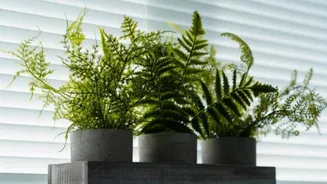
Nutrient-Rich Plant Food
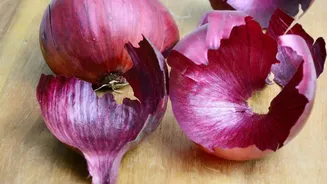
Onion skins are a fantastic, free source of essential plant nutrients, particularly potassium and phosphorus, crucial for robust growth. You can easily
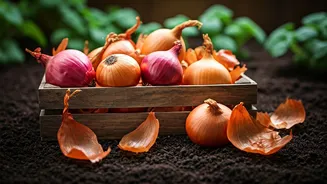
create a potent liquid fertilizer by simply steeping onion skins in water for a few days. Strain the infused water and use it to nourish your plants, providing them with a welcome dietary supplement. This homemade concoction is an excellent, earth-friendly alternative to commercially produced plant foods, promoting sustainability in your gardening practices. By harnessing the natural goodness of onion skins, you support plant development while reducing household waste, contributing to a greener approach to cultivation.
Natural Pest Deterrent
The natural sulfur compounds found in onion skins act as a formidable barrier against common garden nuisances. Crafting an effective, non-toxic pest repellent is straightforward: boil onion skins in water, allow the mixture to cool completely, and then strain it into a spray bottle. This potent spray can be liberally applied to your plants, discouraging unwelcome guests like aphids and other small insects without posing any threat to beneficial pollinators or helpful garden creatures. It’s a clever way to maintain the health of your plants using simple, organic ingredients.
Compost Accelerator
Integrating onion skins into your compost pile can significantly accelerate the decomposition process. Their substantial carbon content acts as a valuable element, helping to balance out nitrogen-rich materials such as food scraps and freshly cut grass. However, it's important to manage their quantity; adding an excessive amount of onion skins can inadvertently make your compost too acidic, potentially hindering the composting process. A mindful addition ensures they contribute positively to breaking down organic matter efficiently and creating rich soil.
Weed Suppressing Mulch
When dried, onion skins serve as an effective natural mulch, aiding in the retention of vital soil moisture and actively suppressing the growth of unwanted weeds. Simply spread a layer of these dried skins around the base of your plants, much like you would with straw or wood chips. This method not only diverts waste from landfills but also progressively enriches your soil as the skins decompose over time, contributing to a healthier growing environment for your plants.
Soil Structure Enhancer
The beneficial flavonoids present in onion skins play a key role in improving the overall structure and health of your garden soil. When incorporated into garden beds or potting mixes, these compounds encourage the proliferation of beneficial microorganisms. This enhanced microbial activity is fundamental for developing strong and healthy root systems in your plants. Mixing finely chopped or shredded onion skins into the soil before planting your seeds or seedlings establishes superior growing conditions, paving the way for more vigorous plant development and a more productive harvest.