



Choosing Your Dunes
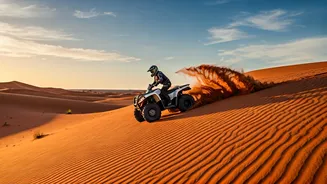
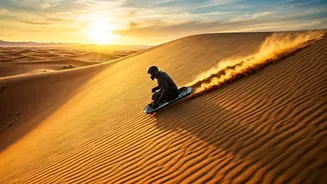
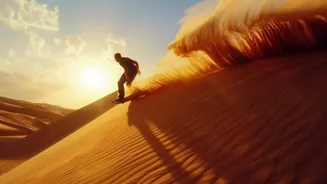
To truly enjoy sand sledding in the vast Sahara, pinpointing the ideal location is paramount. This immense desert boasts diverse landscapes, from colossal
dunes that promise high-octane descents to gentler slopes perfect for those just starting out. Thoroughly researching specific areas will help you discover spots that align with your courage level and the kind of exhilarating ride you're seeking. Imagine yourself navigating these sandy giants, feeling the rush as you carve your path down their sun-baked faces, creating memories that will last a lifetime amidst the breathtaking desert panorama.
Essential Gear Guide
Equipping yourself correctly is fundamental for a safe and immensely enjoyable sand sledding expedition. You’ll absolutely need a robust sled, constructed from durable materials that can withstand the rugged desert terrain. To protect yourself from the elements, don't forget protective eyewear like goggles to keep sand out of your eyes, gloves for a better grip and protection, and generous amounts of sunscreen to combat the intense solar rays. Lightweight, breathable clothing suitable for warm climates will significantly enhance your comfort throughout this outdoor pursuit.
First-Timer Tips
For newcomers to the exhilarating sport of sand sledding, it’s wise to begin your adventure on smaller, less imposing dunes. This strategy helps build your confidence and familiarizes you with the sled's handling before you venture onto steeper inclines. Mastering balance is crucial; maintaining a steady center of gravity will enable you to control your trajectory down the slopes. Furthermore, practice rudimentary braking techniques, such as using your heels to dig into the sand or coordinating hand signals with your fellow riders, to ensure a secure and controlled descent.
Prioritizing Safety
In any adventurous activity, especially one conducted in remote environments like the Sahara, safety must be your utmost concern. Staying well-hydrated by consuming ample water throughout the day is vital to prevent the effects of dehydration under the desert's potent sun. It's also a crucial precautionary measure to inform someone about your planned route and expected return time, particularly if you're venturing out alone, as this adds a vital layer of security against any unexpected incidents that might arise.